Ticks on Walks:
From Prevention to Removal
Spring through fall, if you live with a dog who loves the tall grass, ticks are the opponent you can't avoid. No need to fear them, though. With a preventive and a checking habit, you block nearly all of it. Here's the whole sequence.
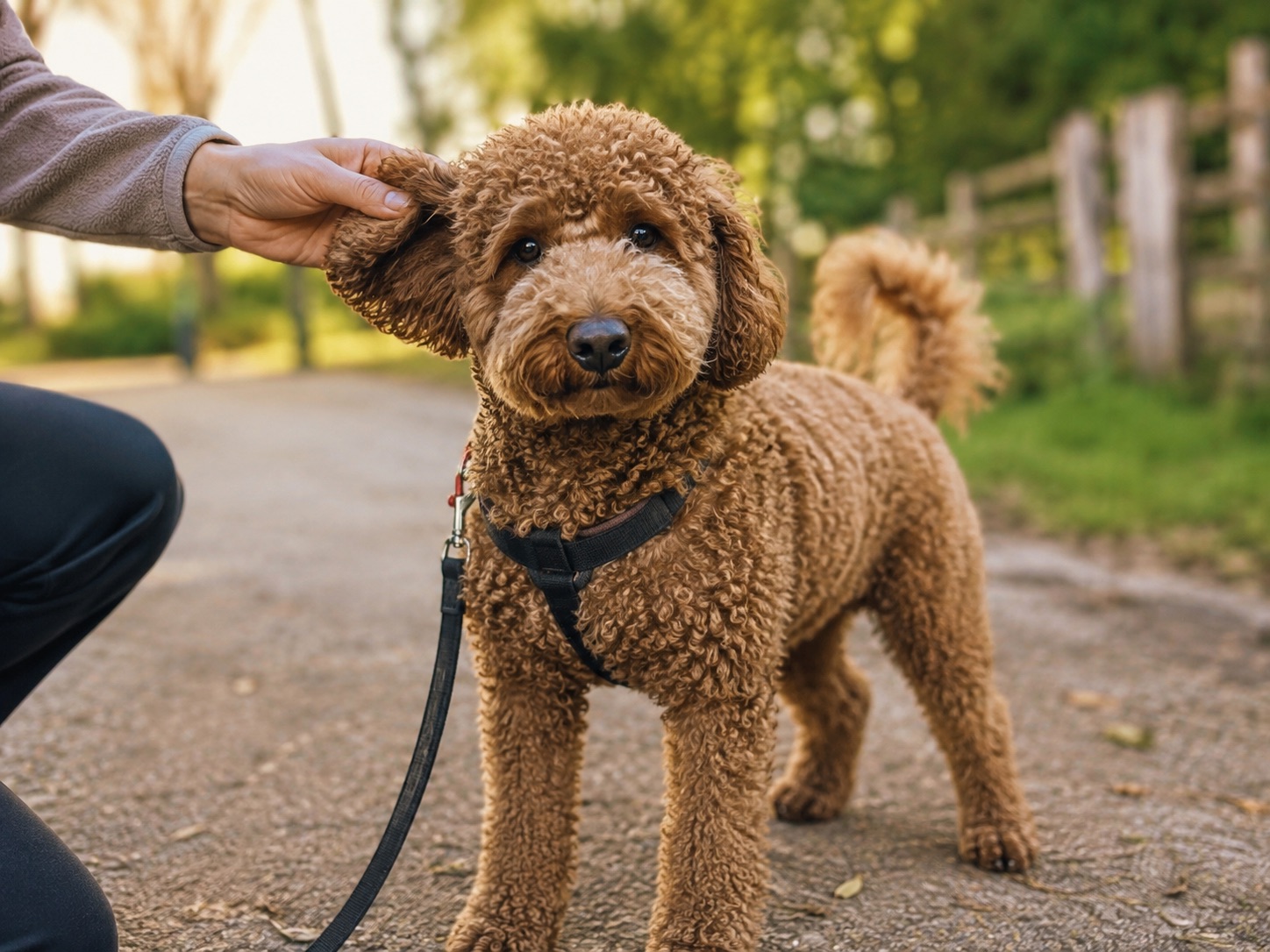
Tick defense rests on a monthly preventive, staying out of deep brush, and a 5-spot check after walks. The spots: in and around the ears, neck and armpits, between the toes, the belly, and under the tail. Find an attached tick and don't pull it off by hand; use a tick remover to take it out whole, head included.
Prevention is 90% of it
The two main preventives are oral chewables and topical spot-ons. Either way, choose with your vet, and through the active season (roughly March to November), don't miss a dose. Note that a preventive doesn't stop ticks from attaching; it kills them once they bite, so the checks stay necessary.
Walk habits prevent, too. Overgrown stretches, especially waist-high grass, are tick ambush country. Keep the leash short there and walk the middle of the path, and the contact odds drop sharply.
The 5 spots to check after walks
| Spot | Why | How |
|---|---|---|
| In and around the ears | Warm and thin-furred: a favorite | Fold the ear back, check inside |
| Neck, armpits | Thin skin | Sweep against the fur by hand |
| Between the toes | Direct grass contact | Spread the toes and look |
| Belly | Brushes through the grass | Belly up, visual check |
| Under the tail | The easy one to miss | Lift the tail and confirm |
If your fingertips catch a millet-grain bump while sweeping, part the fur and look. A small dark-brown bead fixed tight to the skin is very likely a tick. After I found exactly one behind my dog Gureum's ear (it means "cloud" in Korean), sweeping behind the ears and between the toes got folded into our paw-wiping routine at the door.
Found one? Remove it like this
Never tear it off with your fingers. The body can separate, leaving the head in the skin to cause an infection. The textbook method: grip as close to the skin as possible with a tick remover, and pull slowly, straight out, no twisting. Disinfect the site afterward and watch the spot and your dog's condition for a few days. Fever, appetite loss, or pale gums: straight to the vet. And if you're not confident removing it, going to the vet for the removal itself is a perfectly good choice. Nothing embarrassing about it.
One photo from a grassy day keeps the check from slipping your mind
The reason tick checks get forgotten is forgetting you were in the grass at all. Post the photo of them rolling in the field to kkeung, and when you scroll the feed that evening it reminds you: check day. And since posts keep their dates, if you find a bite days later, you can pinpoint exactly when you were out.
Save a photo of today →The tick season calendar
Tick defense runs smoother as a yearly schedule. Start the preventive routine when activity kicks off in March or April; through the May-to-August peak, trim the brushy routes and check daily; and stay sharp through September to November. Fall especially: ticks surge one last time before winter, so it deserves spring-level caution. Note the date of each dose and next month gets easy. Locking it to a memorable day, like the 1st, is a good trick.
Map your neighborhood's risk zones
Ticks aren't everywhere; they have favorite haunts. Waist-high grass, park edges that border woods, brushy creeksides, wildlife corridors. A few outings and you'll have a feel for which local routes deserve caution. No need to cut the risky routes entirely: just make the check ironclad on the days you take them. A known risk is a managed risk. Losing the joy of grass-smell over ticks would be far too big a price for your dog to pay.
Ticks look scary, but prepared, they're a manageable opponent. Preventive, route choice, post-walk check. Three layers of defense, and you protect your dog without taking away the bliss of rolling in a field.
Frequently asked questions
They're on a preventive. Do we still need the checks?
Can a tick transfer to a human?
Can we pause the preventive in winter?
I found a tick at home on an indoor dog who doesn't walk. How?
The bite spot is swelling up. Vet visit?
This article is general information and does not replace a veterinary diagnosis. Talk to your vet about your dog's condition.