The Puppy Growth Calendar (0-12 Months):
What Changes, and What to Do Now
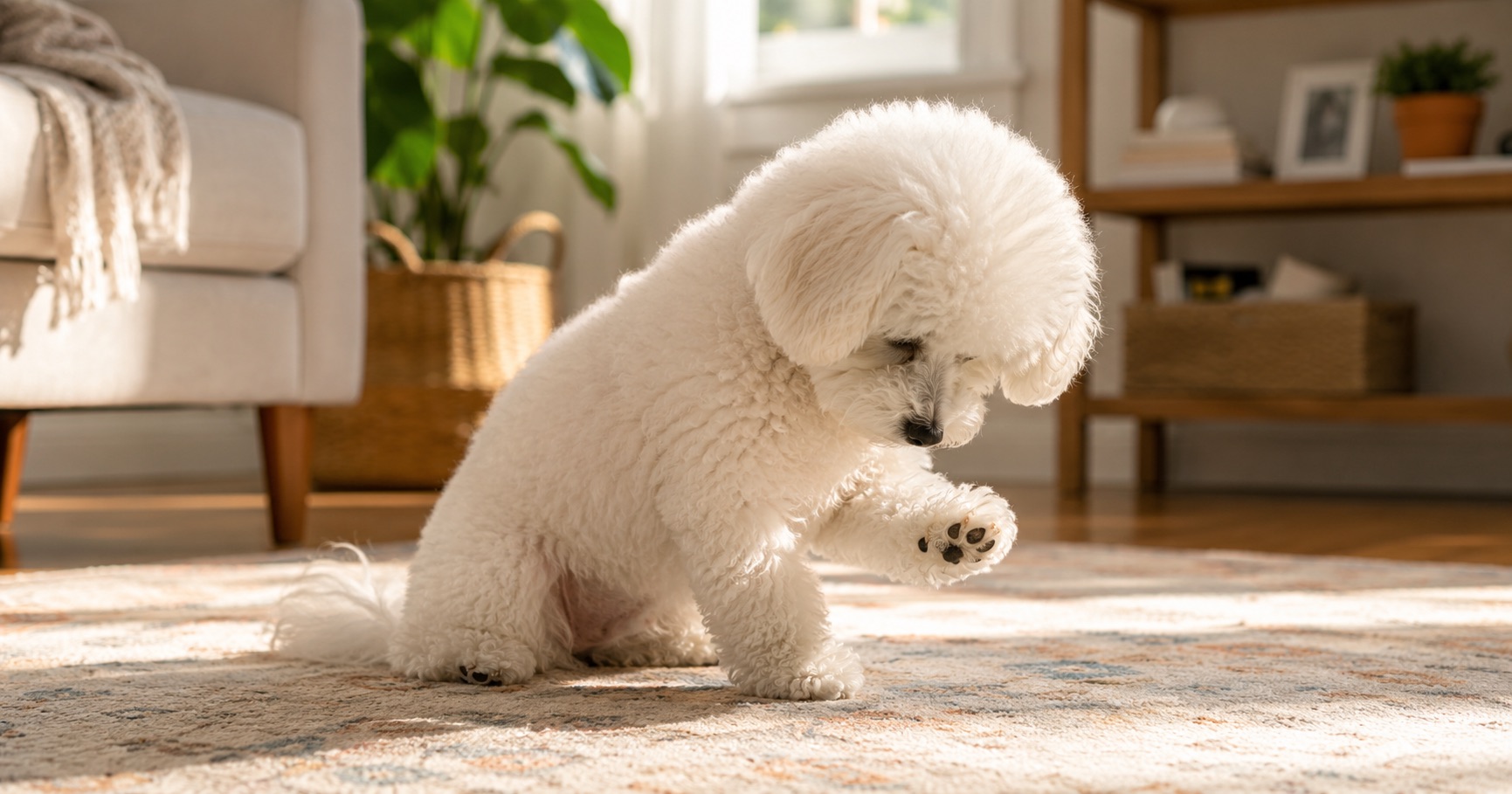
My dog Gureum arrived at 3 months old (it means "cloud" in Korean), and I spent that first stretch searching "why is my puppy doing this" on a weekly basis. Suddenly biting hands. Suddenly picking at food. Suddenly ignoring me. Every answer turned out to be the same: that's just what happens at that month. Here's the year of changes, laid out like a calendar: so you can be less startled than I was.
Remember three zones and half the year explains itself: socialization (3-14 weeks), teething (3-6 months), adolescence (6-12 months). The big beats: homecoming and first shots at 2 months, socialization experiences through 3-4 months, teething defenses at 4-6, the spay/neuter conversation around 6, adult-food transition at 10-12. Small breeds finish growing near 10 months: large breeds run to 18.
The month-by-month map
Knowing the month tells you what's happening now and what next month needs. This table was written to be taped to a refrigerator.
| Phase | Body | Behavior | Your job |
|---|---|---|---|
| 0-3 weeks | Eyes and ears open | Sleeping and nursing by mom | No separation: just watch over them |
| 3 wks-2 months | Baby teeth in, walking | Learning bite force from littermates | Separation here seeds problems: wait out the full 8 weeks |
| 2-3 months | First and second shots | Curiosity explosion: the socialization window | Carried outings for sounds and sights: potty spot introduced |
| 3-4 months | Third shots: baby teeth loosening | Hands and objects get mouthed | First walk after the series: teething toys staged |
| 4-6 months | Adult teeth arriving in force | Peak chewing: energy surging | Guard the furniture and cords: basic training begins |
| 6-9 months | Sexual maturity: first heat possible | Adolescence: known commands ignored | Spay/neuter consult: training short and frequent |
| 9-12 months | Small breeds finish growing | Personality settling in | Adult food transition: portions recalculated |
※ Large breeds keep growing past 12 months. Until the growth plates close around 18: minimal hard jumping and stairs.
The one thing per phase
- At 2-3 months: socialization. Waiting indoors for the vaccine series builds a dog afraid of the world. Carry them out and show them everything.
- At 4-6 months: teething management. The chewing isn't mischief: it's itching gums. Skip the scolding: hand over the legal chew.
- Past 6 months: surviving adolescence. The recall dissolves, the selective hearing arrives: training didn't fail, hormones are circulating. It passes.
Learned this on the job: each phase's problems nearly vanish when the phase ends. Gureum's adolescent recall collapse had me despairing: around ten months it simply came back. So if you're in a hard stretch: go easy on the self-blame. When the calendar turns the page, so does the puppy.
Keeping the vet schedule straight
Vaccines typically start at 6-8 weeks, run every 2-4 weeks through the fifth round, and close with a titer check. Heartworm and parasite prevention go monthly from the first walks onward. Spay/neuter: around 6 months for small breeds, often later for large ones to respect the growth plates: set the date with the vet. Simply not missing the clinic calendar prevents a large share of year-one health trouble outright.
One photo a month is all it takes
The puppy-year trick: one photo a month, same bed, same angle. Posts on kkeung keep their dates, so scrolling back up the feed instantly answers "what did that face look like at five months?" In the growth season, nothing keeps records as honestly as photos do.
Save a photo of today →Making the year easier
The food changes three times
Weaning mush to puppy food: puppy food to adult. Every transition runs across 7 days, shifting the ratio gradually: rush it and diarrhea collects the fee. Meal count steps down too: four a day to 3 months, three to 6 months, two after.
Training: five minutes, many times
Puppy attention spans max out around five minutes: five 5-minute sessions beat one 30-minute grind, decisively. Sit, stay, come: three commands embodied within the year is plenty. Everything else has a lifetime.
Weigh-ins: same day every week
In the growth season, weight is the most honest health metric there is. Same weekday, before breakfast, held in your arms on the scale. Two straight weeks flat or falling: call the vet.
A year is long. And then it's over, and the puppy season turns out to have been the shortest part. In every hard stretch, reopen this table and find your spot on the map. This tunnel has an end.
Frequently asked questions
When exactly does a puppy become an adult?
Why shouldn't puppies come home before 8 weeks?
Really no going outside before the shots finish?
How long does adolescence last?
What's actually worth buying in the puppy phase?
This article is general information and does not replace a veterinary diagnosis. Talk to your vet about your dog's condition.