Summer Cuts: Do They Really Cool a Dog Down?
Why Double Coats Shouldn't Be Shaved
Every summer the groomer offers it: shall we shave them down nice and cool this time? My dog Gureum is single-coated, so short cuts suit her fine (it means "cloud" in Korean): but I watched her walk buddy, a Pomeranian, get shaved one summer and spend months growing back a coat gone strange. This is a topic where the breed completely flips the answer: so here it is, properly sorted.
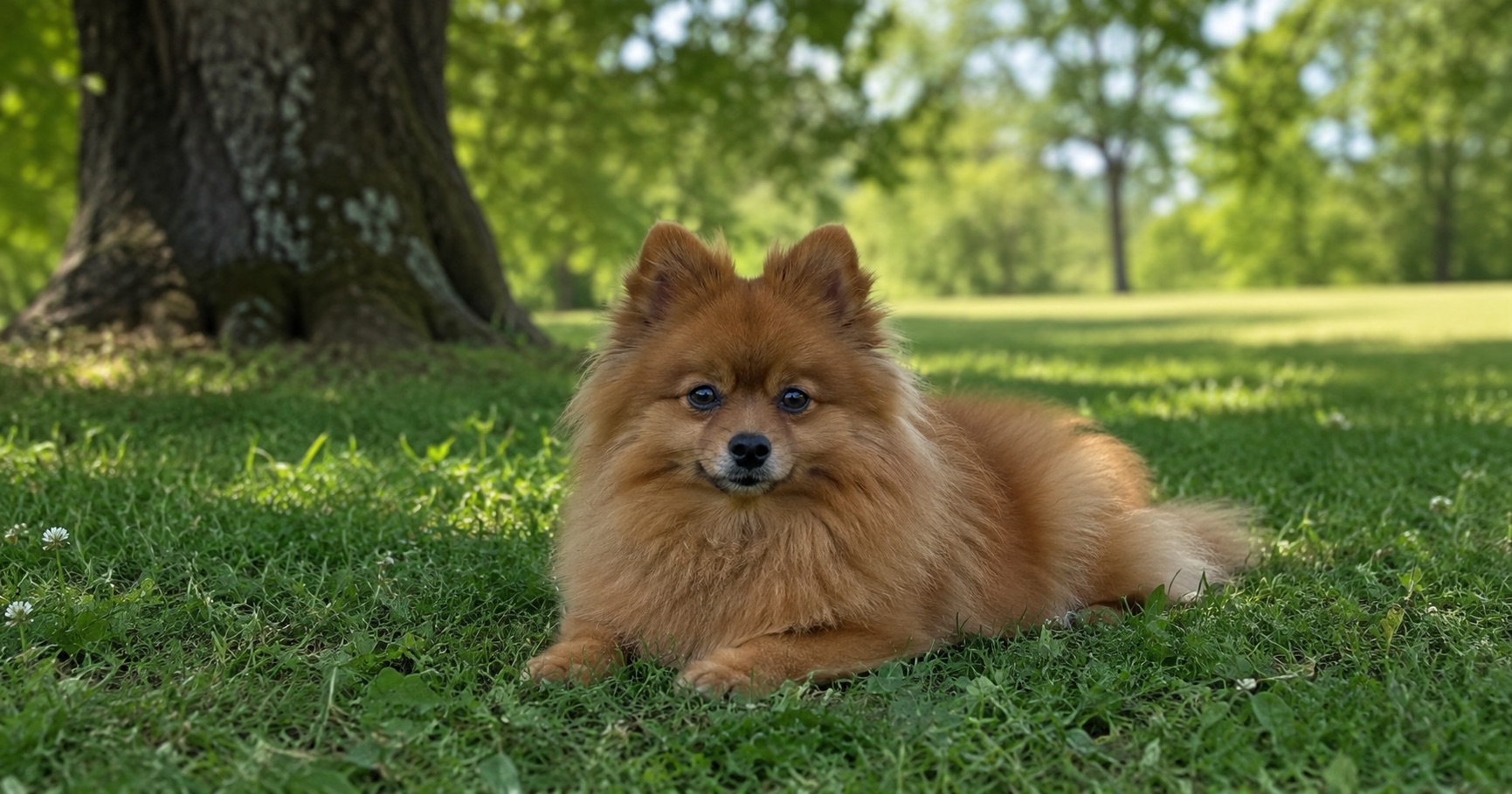
Double-coated breeds: never shave. Single-coated breeds: fine, leaving half an inch or more. For undercoated dogs: Poms, Shibas, Goldens: the coat is insulation and sunshade at once: shaved, they run HOTTER and sunburn. Want them cooler: rake out the undercoat instead.
Does shaving actually cool a dog?
Human intuition says more hair, more heat: but a dog's coat isn't clothing: it's closer to insulation. In double-coated breeds especially, the outer coat blocks sun while the air trapped in the undercoat buffers temperature. Shave that off and direct sunlight lands on bare skin: and since a dog's sweat glands live almost entirely in the paw pads, the skin can't vent the heat. Which is why so many freshly shaved dogs run hotter, not cooler.
| Coat type | Typical breeds | Summer grooming | Why |
|---|---|---|---|
| Double coat | Pomeranians, Shibas, Golden Retrievers, Corgis, Huskies, Samoyeds | No shaving: manage with undercoat brushing | Insulation lost, sunburn, coat sometimes never regrows right |
| Single curly | Poodles, Bichons, Maltipoos | Short is fine: leave half to three-quarters of an inch | No undercoat, short is safe: skin exposure is the only limit |
| Single long | Maltese, Yorkies, Shih Tzus | Short is fine: leave half an inch or more | Less matting, easier upkeep |
| Short coat | Short-haired Chihuahuas, Dachshunds, French Bulldogs | No grooming needed | Already short: nothing to cut |
* Coat types mix within breeds sometimes. Ask the groomer whether YOUR dog runs double-coated.
What goes wrong when a double coat gets shaved?
- Sunburn. Pale- and pink-skinned dogs redden within hours of walking.
- MORE heat. No topcoat means direct sun on skin: the felt temperature climbs.
- The coat doesn't come back right. Undercoat regrows first: the dog turns cotton-ball fuzzy, or patches never fill in. It's called post-clipping alopecia, and it can run from months past a year.
- Bugs and scrapes. Ticks reach skin directly in the grass, and twigs scratch what fur used to shield.
My walk-buddy Pom was case three exactly: all summer as a fuzzball, topcoat finally returning near winter. Her owner's verdict, verbatim: I did it to cool her off, and she panted MORE.
Beating the heat without clippers
A double-coated dog's summer program is brushing, not barbering. Rake out the spring coat-blow's dead undercoat thoroughly: undercoat rake or slicker: and air moves through the coat again. Halve the density and the dog genuinely runs cooler. Add complete root-deep drying after baths, and short trims on the sparse zones: belly, armpits: and that's the whole regimen.
Learned this on the job: the time of day decides coolness more than the coat does. Midday defeats every coat type. Move summer walks to before sunrise or after sundown, carry water, and pick dirt paths over asphalt: that beats any haircut.
Summer walks: what time are you heading out?
A double-coated dog's summer is won by changing the CLOCK, not the coat. Log walks in kkeung and the time and distance stack by date: whether any walks landed in the hot hours shows at a glance. Next summer, last year's record is right there to open.
Log today's walk →How short can single coats go?
The length rule
Poodles, Bichons, and Maltese carry no undercoat: short cuts pose no insulation problem. But shave to skin-showing and sunburn and bugs apply all the same. Half an inch: three-quarters if you can spare it: is the balance point between upkeep and protection. Gureum summers at three-quarters on the body, face untouched.
Belly and armpits
The floor-contact belly can go a touch shorter: pressing it to cool surfaces is one of a dog's actual cooling moves. Armpits trend damp: kept short, they also dodge the summer hot spots.
The first days after a cut
Freshly shortened skin is sensitive. For about three days, skip midday walks and stay out of the tall grass. The just-groomed roll through the lawn, followed by red skin: a classic I see every summer.
A summer cut is often less for the dog and more for the owner's peace of mind. That's not a crime. Just check, once, what KIND of coat your dog wears: then decide.
Frequently asked questions
How do I know if my dog is double-coated?
I already shaved my double-coated dog. Now what?
Won't they overheat if I don't shave them?
Do cooling vests and cooling mats work?
How does summer brushing work for a double coat?
This article is general information and does not replace a veterinary diagnosis. Talk to your vet about your dog's condition.