Why Dogs Tilt Their Heads:
Sound Triangulation to Word Processing
Say walk? and my dog Gureum snaps her head 45 degrees to the RIGHT (it means "cloud" in Korean). Say dinner? and it goes LEFT. The direction is assigned. Watching that, it dawned on me this couldn't just be a cute tic: something was WORKING in there. Turns out: yes.
The head tilt is a precision adjustment for locating and decoding sound. Tilting changes the ear angles to triangulate where a sound came from: swings the view clear of the muzzle to read the speaker's mouth and expression: and marks the processing pause when a KNOWN word lands. On top of all that: dogs learn that tilting delights humans, and it becomes a habit. The exception: a head that stays tilted with no sound around can be ear disease.
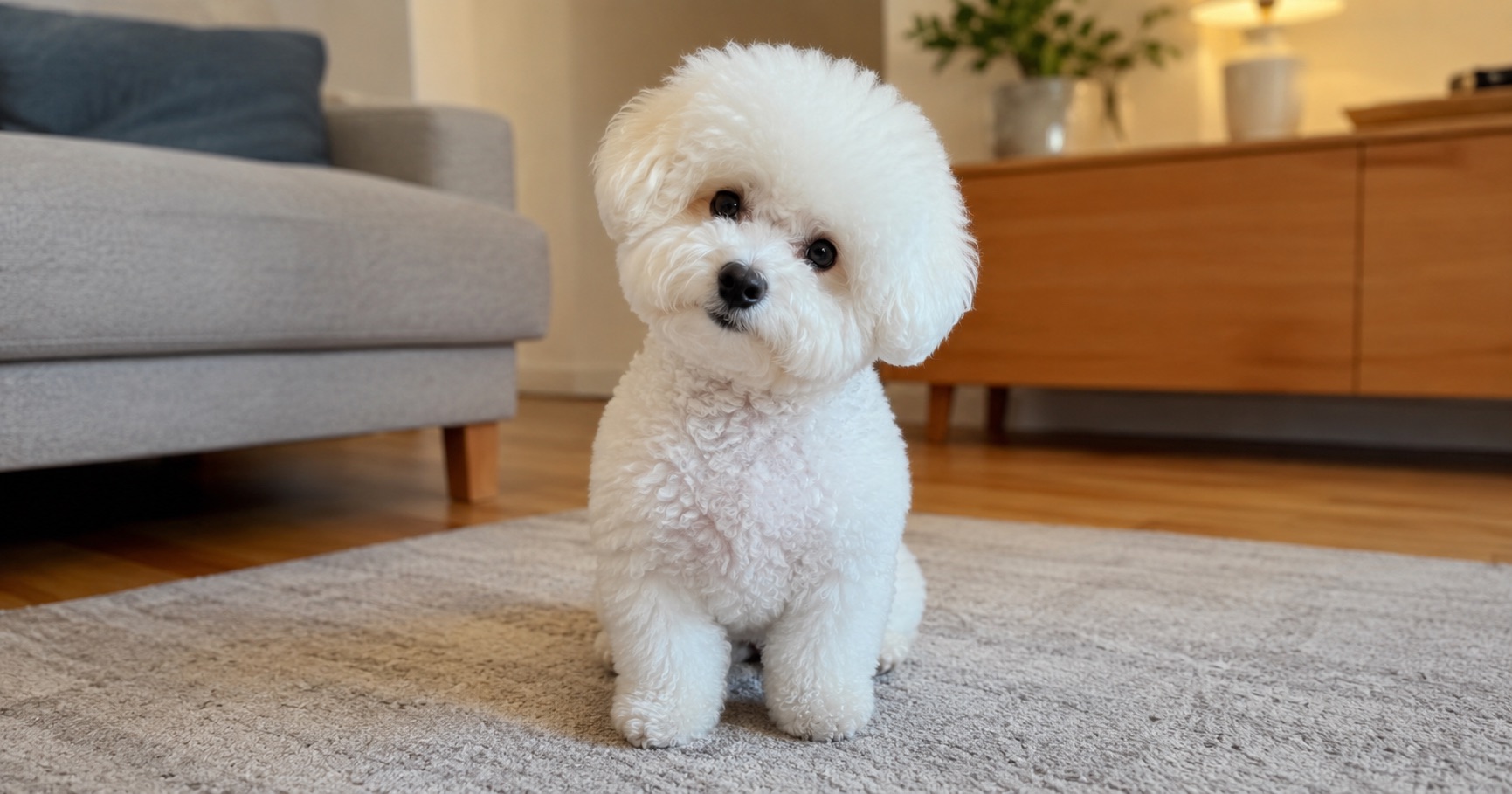
What is the tilt actually doing?
Human ears are fixed in place, so we locate sound passably without moving our heads. Dog ears are far more precise instruments: but they need their pinnae re-angled to compute fine differences in height and distance. Tilting widens the arrival-time gap between the two ears: the location snaps into focus. And one more job: on long-muzzled dogs, the nose blocks the lower half of a face-on view: a small tilt clears the sight line to the speaker's MOUTH, where much of the expression lives.
| Reason | When | The tell |
|---|---|---|
| Locating a sound | Novel sounds: sounds from another room | Ears rotate toward it: body angles too |
| Clearing the sight line | A person talking face-on | More frequent in long-muzzled breeds |
| Word processing | Walk, dinner, their name | Freezes right after the word: eyes widen |
| Learned habit | Face-to-face with their person | Tilts without any sound: waits for your reaction |
| Pathological tilt | Constant, context-free | Fixed to one side: stumbling: ear scratching |
Do the big tilters know more words?
There's a delightful study on this: researchers observing so-called genius dogs: the ones who learn dozens of toy names: found they tilted their heads at a far higher rate than average dogs when their person spoke a toy's name. The reading: the tilt isn't intelligence itself: it's the visible moment of a brain processing a word it KNOWS. So when yours tilts at walk: the word has already landed, and they're waiting to hear what comes after it.
Learned this on the job: Gureum tilts far more for high, short questions than for low, slow statements: as if she knows which sentences carry question marks. So now, when there's something to ask her, the pitch goes up on purpose at the end.
When the tilt is a warning
A brief tilt at your voice that straightens right after: normal. But a head that stays leaned with no sound in the room: a tilt with circling: a walk that drifts sideways: relentless ear-scratching and head-shaking: different story. That's inner-ear inflammation, vestibular trouble, or in seniors, idiopathic vestibular disease. Sudden onset PLUS eyes flicking rhythmically side to side: same-day vet visit.
- Tilted even in silence, always the same side.
- Tries to straighten: sags back into the tilt.
- Stumbling, or falling toward one side.
- Ear odor, or constant scratching at it.
- Eyes flicking rapidly left-right.
The tilt gets the whole neighborhood commenting
Catch the head-snap at the word walk and post it to kkeung: the comments arrive on schedule: ours goes LEFT. Posts keep their dates, likes stack up, and the neighborhood's cutest split-second moments circulate the way they deserve to.
Show the neighborhood dogs →Getting more out of the tilt
Take the vocabulary census
For one week, throw words at them and log which ones earn a tilt. The tilting words are the KNOWN words: that list is your dog's dictionary. It runs longer than you'd guess.
Don't farm the tilt
The internet is full of clips of people making weird noises to harvest tilts for the camera. Do it constantly and the dog starts filing those noises under suspicious. The tilt that arrives in natural conversation is prettier anyway: and better for the relationship.
The senior tilt
An older dog tilting MORE than before may be compensating for fading hearing: working harder to catch the sound. Speak a touch louder and clearer, from the front: and start pairing hand signals now, so the conversation survives whatever the ears do next.
For the one second of that tilt, a dog is listening to you with everything it has. That second seems too good to waste: so lately, more questions get asked around here. No answers yet. But the listening is guaranteed.
Frequently asked questions
Always the same direction: is that okay?
Some dogs never tilt at all?
How many words can dogs actually learn?
Sudden head tilt plus stumbling: is it a stroke?
Why does an ear infection cause tilting?
This article is general information and does not replace a veterinary diagnosis. Talk to your vet about your dog's condition.