How Good Is a Dog's Memory?
Episodic Memory, and Remembering by Scent
My dog Gureum once met the person who dog-sat her for two months as a puppy: three years later (it means "cloud" in Korean). The elevator doors opened and Gureum caught the scent and launched. I could barely place the face myself. I'd heard somewhere that dogs have short memories: watching that reunion, I realized the claim is half right and half completely wrong.
A dog's short-term memory runs about 2 minutes: but memories bound to scent and emotion survive for YEARS. Who felt good, which place was scary: associative memory is the core of the dog filing system. Recent research has even found traces of episodic memory: whole scenes, stored. The practical upshot: scold a dog for something more than two minutes old, and they cannot connect the crime to the consequence.
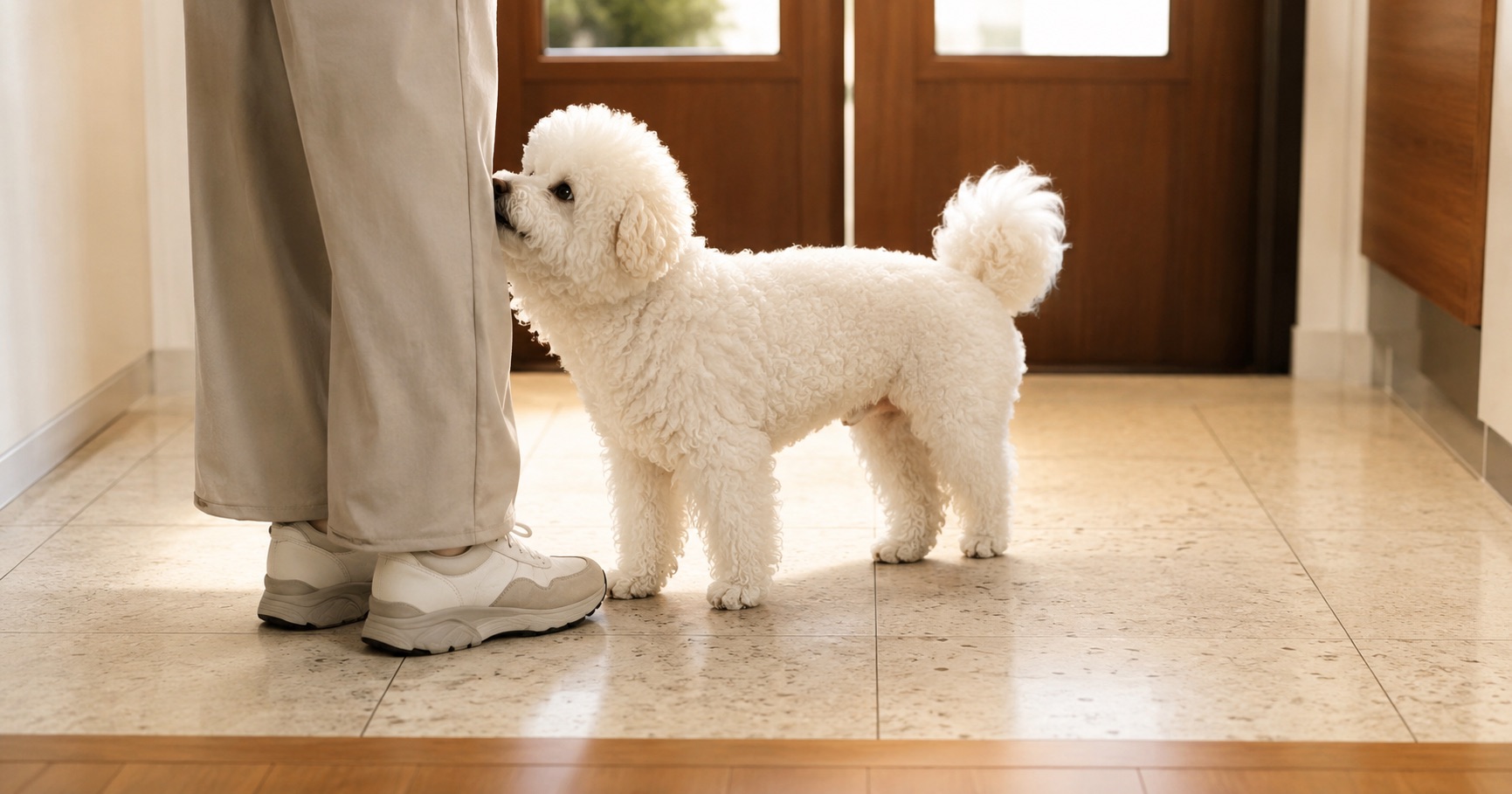
How is dog memory built?
In comparative studies of animal short-term memory, dogs came in around two minutes: find-the-object-you-just-saw experiments, and short by human or ape standards. But that number only covers what just happened. The real dog memory system works differently: it stores not the event but the emotion, the scent, and the association attached to it. Which is why the face from three years ago is gone: while the scent, and the feeling this scent was GOOD, remain fully intact.
| Memory type | Duration | Example | Notes |
|---|---|---|---|
| Short-term | About 2 minutes | Where the ball just went | Evaporates fast |
| Associative | Years to lifelong | Leash sound = walk: vet smell = fear | The core system |
| Scent | Years to lifelong | A long-ago person, an old home | Outlives faces |
| Procedural | Lifelong | Sit, stay, the potty spot | Once in the body, it stays |
| Episodic | Tens of minutes to hours | Reproducing your recent action | Traces confirmed in research |
Do dogs store whole scenes?
Episodic memory: recalling when-where-what as one scene: was long claimed as human-only property. Then came the experiment: dogs taught to imitate their owner's actions were later told do it with NO warning: and reproduced actions they'd watched an hour earlier. They remembered without being told to remember. The term of art is episodic-LIKE memory: not human-grade, but proof that dogs carry scenes of the past around with them.
Learned this on the job: Gureum stumbled on our stairs exactly once: two years ago. She still hesitates at that one staircase. Uses stairs everywhere, daily: hesitates at THAT one. Some version of that scene is still in there.
Why scolding after the fact never works
You come home: trash can capsized: dog already wearing the guilty face. So you scold: and the dog cannot connect the trash to the scolding. With a two-minute short-term memory, the event is ancient history. That face isn't guilt: it's a calming signal answering your stiff posture and dropped voice. In experiments, dogs who did NOTHING made the same face the moment their owner acted accusing. The only lesson after-the-fact scolding teaches: when this person comes home, scary things happen. Catching the act live and offering an alternative: that's the entire toolkit that works.
Dogs forget the date. Photos don't.
The day they recognize someone after years, you'll want to know when it all started. Photos posted to kkeung keep their dates: scroll the puppy-era feed and the answer is right there. The dog's memory lives in the nose: the human's lives in those photos.
Save a photo of today →Working WITH the memory system
Train short: then let them sleep
Research found dogs who napped right after training remembered better the next day. Five minutes of training and a rest beats thirty minutes of drilling: sleep is what sets the memory.
Plant the good memory FIRST
Vet, groomer, car: the potentially scary places get treats and play attached on the FIRST visit. A bad first memory makes a long-lived association: a good first one buys resilience against the occasional bad day later.
The senior memory
With age come forgotten potty spots, wrong turns on familiar routes, blank moments at familiar faces: cognitive decline signals. Keep the routine identical, keep the nose employed with scent games: both slow the slide. And loop in the vet.
A dog forgets what we did yesterday: and remembers exactly what kind of person we are. The daily deposits of this person is good: THAT'S their long-term memory. So today's job is just one more good line in the file.
Frequently asked questions
Do dogs really recognize people after years apart?
Can a dog remember an old home and find their way back?
Does my dog know HOW LONG I've been out?
Do they forget training after a few days off?
Can a bad memory be erased?
This article is general information and does not replace a veterinary diagnosis. Talk to your vet about your dog's condition.