Dog Adolescence Is Real:
The Behavior Changes, Stage by Stage
My dog Gureum was about eight months old (it means "cloud" in Korean). Her flawless recall evaporated overnight. I'd call her name: she'd look at me once and sprint the other way. I spent weeks asking what I'd taught wrong: then learned that nearly every dog that age does exactly this. It was adolescence.
Dog adolescence runs roughly 6 to 18 months: to age two in large breeds. Hormones and brain remodeling collide: trained behaviors get skipped, recalls get ignored, other dogs get provoked, and familiar things suddenly turn scary. You did not raise them wrong. Hold the rules steady, keep training short and frequent, and it passes.
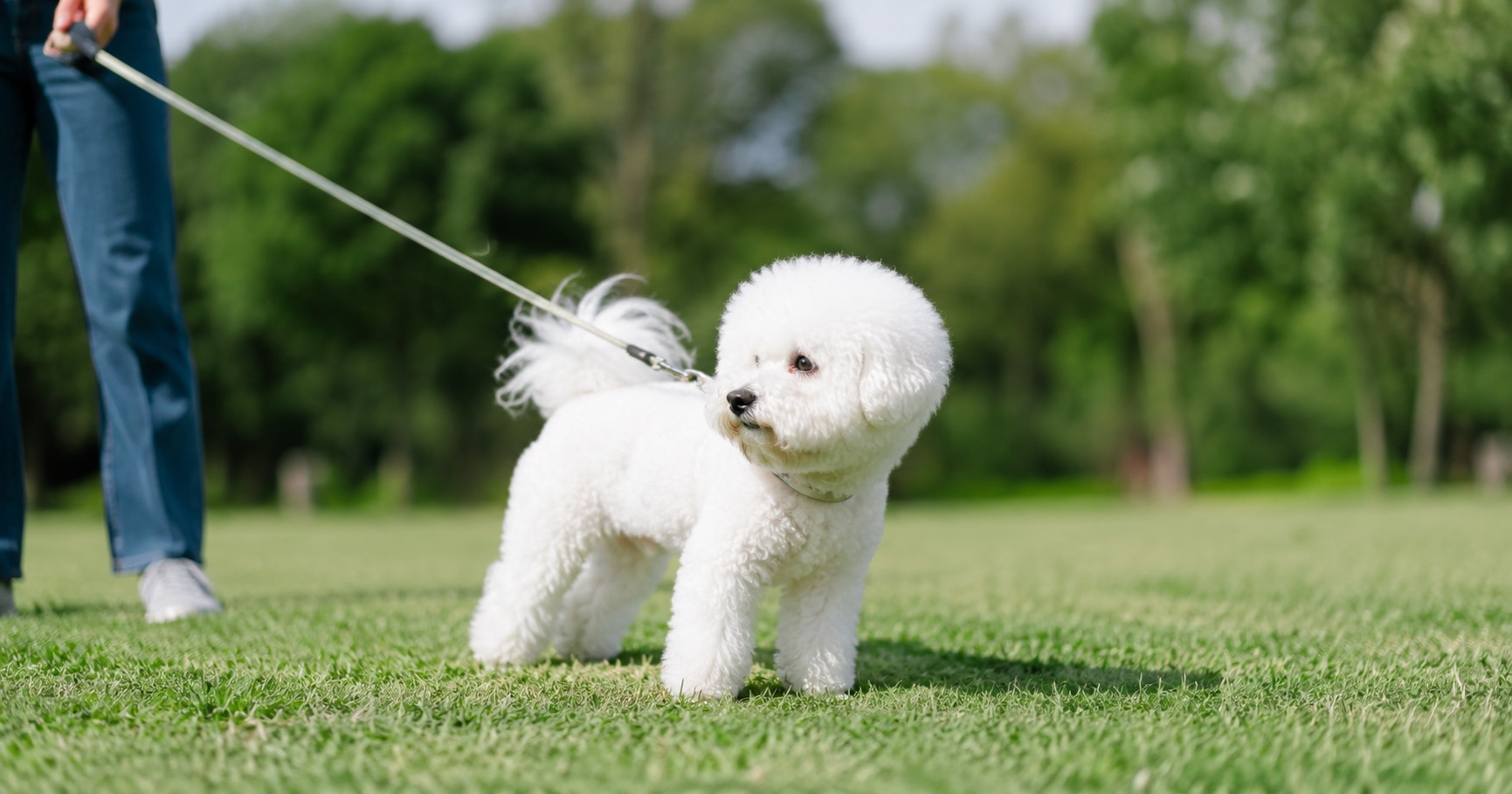
When does it hit, and what does it look like?
A young puppy survives by staying glued to you: compliance comes built in. Then sexual maturity starts: independence rises, the wider world gets interesting, and your voice drops down the priority list. Meanwhile the brain's emotion-regulation hardware is still under construction, so fear and excitement swing wildly. The parallel to human teenagers is uncanny: and research backs it, finding dogs in this window ignoring their owner's cues at higher rates than at any other age.
| Stage | What's changing | Common behaviors |
|---|---|---|
| 5-6 months | Teething ends, sexual maturity begins | More chewing, marking starts, recall wobbles |
| 7-10 months | Hormones peak | Ignored recalls, refused training, picking at other dogs, first heat in females |
| 10-14 months | The second fear period | Sudden barking at or avoiding familiar things, refused walks |
| 14-18 months | Gradual settling | Training responses return, play style matures |
| 18-24 months | Adult personality locks in | Large breeds run to here: small breeds usually finish earlier |
What NOT to do
One: heavy punishment. A dog this age learns to avoid YOU, not to obey you. Two: unclipping the leash. A wobbling recall plus off-leash freedom equals the accident you'll replay for years. Three: quitting the training. Put it down because they won't listen and you get an adult who still won't. Four: forcing them at the things they suddenly fear. Push a dog through the second fear period and the fear can set for life.
Learned this on the job: when Gureum blew off a recall and I chased her angrily, she ran farther. When I sprinted the OTHER way whooping like a fool, she chased me. You don't win against an adolescent. You become the more interesting option.
What TO do
- Don't move the rules. If the couch was off-limits, it stays off-limits. This age finds every gap in the fence with forensic precision.
- Train short and often: three 5-minute sessions beat one 30. Easy wins, end on success.
- Raise the walks and play: the energy is at flood stage, and undrained energy exits as problem behavior.
- Raise the rewards: if the usual treat stopped working, escalate. The world got more interesting: you have to keep pace.
- Use a long line: 15-30 feet buys them freedom AND you a recall drill, simultaneously.
- Discuss spay/neuter timing with your vet: the recommended window shifts by breed and size.
In adolescence, walk mileage IS the peace treaty
The adolescent dog's incidents cluster on days AFTER a skipped walk. Trace back the chewed shoe or the 3 a.m. barking and the previous day's paw stamp is missing. Log walks in kkeung and the distance and time stack by date, putting that connection in plain view. Even on the roughest day, twenty minutes of walking is the cheapest training there is.
Fill in the paw stamps →The adolescent playbook, problem by problem
They won't come when called
Never chase: run the opposite direction, or hide: most will come find you. Arrival is ALWAYS good news. And if coming always ends the fun (leash on, going home), they learn coming ends things: so nine calls out of ten should end in a treat and released back to play.
They're picking at other dogs
Adolescent males stiffen and flag their tails at other males. Require a sit before any greeting: no sit, no greeting, walk on. And press pause on the dog park for now: one bad brawl at this age echoes for years.
They're suddenly scared of familiar things
Barking at the trash can on the route they've walked a hundred times: that's this window. Don't drag them past it: add distance, pay out treats, and let them close the gap themselves. It resolves in days.
On the far side of adolescence, they come back better than the puppy ever was: with a personality of their own, choosing you with it. The dog ignoring you today is growing, hard, at full speed. Just wait it out: rules intact, leash on, snacks loaded.
Frequently asked questions
Does neutering during adolescence fix the behavior?
Do small dogs have an adolescence?
Can I start NEW training during adolescence?
What's the second fear period?
What if they still don't listen after adolescence?
This article is general information and does not replace a veterinary diagnosis. Talk to your vet about your dog's condition.