Dog Lifespan by Breed:
The Full Table, and What Actually Extends It
Honestly: I dodged this topic for years. I didn't want my dog Gureum's remaining time expressed as a number (it means "cloud" in Korean). Then one day the frame flipped: an average lifespan isn't a sentence being handed down. It's a target: one that management can move. And once I saw it that way, today's to-do list snapped into focus. So here are the numbers, finally faced.
Average dog lifespans run 12-16 years for small breeds, 10-14 for mid-size, 8-12 for large: smaller bodies, longer clocks, clearly. Among popular companions, Maltese, Poodles, and Chihuahuas rank with the long-lived. But breed only draws the starting line: ideal weight, spay/neuter, dental care, regular checkups, and the daily walk move the actual number by YEARS.
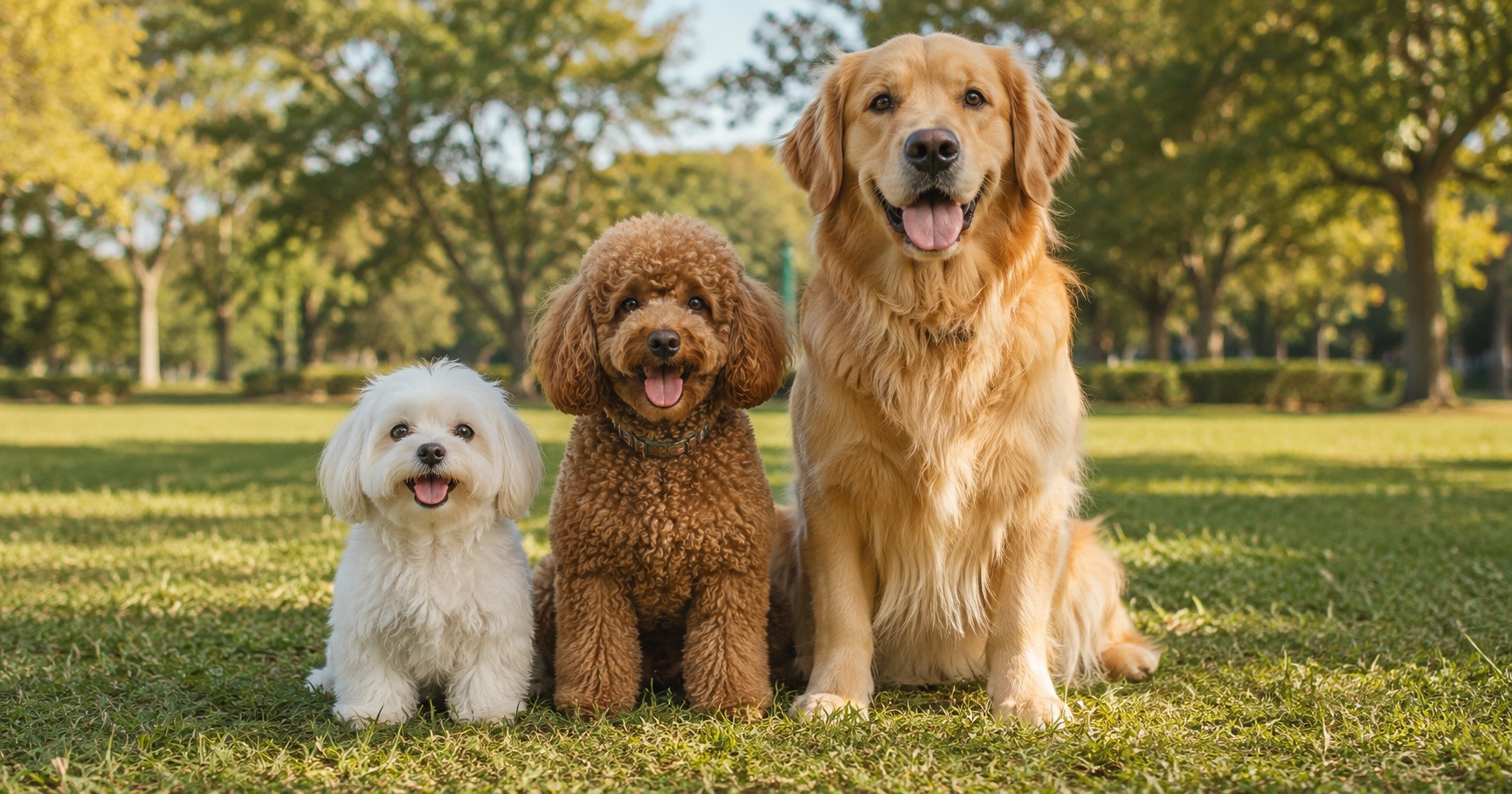
The breed table
Commonly cited ranges for popular companion breeds: individual variation runs wide, so read these as tendencies, not deadlines.
| Breed | Average lifespan | Common lifespan-relevant conditions |
|---|---|---|
| Chihuahua | 14-17 years | Heart valve disease, luxating patella |
| Maltese | 12-15 years | Heart valve disease, periodontal disease |
| Toy Poodle | 13-16 years | Luxating patella, periodontal disease |
| Bichon Frise | 12-15 years | Luxating patella, skin conditions |
| Pomeranian | 12-16 years | Tracheal collapse, heart disease |
| Dachshund | 12-15 years | Intervertebral disc disease |
| Shiba Inu | 12-15 years | Allergies, luxating patella |
| Welsh Corgi | 12-14 years | Disc disease, hip conditions |
| Jindo | 12-14 years | Relatively few known conditions |
| Golden Retriever | 10-12 years | Tumors, hip dysplasia |
※ Mixed breeds, with hereditary risks dispersed, are known to trend longer-lived than purebreds of the same size.
What swings the number?
- Body size is the biggest variable: large breeds age as fast as they grew, and giants can top out around 8.
- Obesity reliably subtracts years: study after study finds ideal-weight dogs outliving overweight ones. It is also the single largest factor an OWNER controls.
- Spay/neuter tilts the average upward: pyometra, mammary tumors, and prostate disease drop off the risk sheet.
- Dental care is the sleeper: periodontal inflammation taxes the heart and kidneys downstream.
- Indoor living, regular checkups, and daily exercise fill in the rest.
The five things an owner actually controls
First: a body where ribs are just barely feelable, held for life: treats capped at 10% of daily calories. Second: two walks a day to bank muscle: muscle is old age's insurance policy. Third: teeth brushed, even every other day. Fourth: checkups: annual to age seven, twice yearly after: catch things early. Fifth: a low-stress home: predictable routines and a proper resting spot pull more weight than they appear to. There is no secret technique here. Doing the obvious things every single day IS the entire science of longevity.
The longevity secret was the daily walk all along
More reliable than any lifespan table: whether today's walk happened. Log walks in kkeung and every walked day stamps a paw print: look at a month filled edge to edge and it's visible: this habit is extending a life in real time. Few health metrics are as honest as a paw-stamp calendar.
Go fill in a paw stamp →Shifting the focus by life stage
Growth years: build the habits
What's built by age one runs for life: tooth brushing, handling tolerance, the walk rhythm, correct portions. Routines set now compound into old-age assets. Large-breed puppies: go easy on jumps and stairs while the joints finish.
Middle years: guard the weight
From three or four, metabolism slows and the pounds start their campaign: THIS is where old-age disease gets seeded. Body-condition check every 6 months, portions adjusted to match. The decisive battle of lifespan management isn't fancy supplements: it's the scale, in these exact years.
Senior years: lean on checkups
From around seven, finding things BEFORE they hurt is the whole job: bloodwork-and-imaging checkups move to twice a year, and small signals: water intake creeping up, a changed gait: never get waved off.
An average is only an average. The dogs who outlive their table rows share a pattern: and nearly all of it is made of their owner's ordinary days. Today's one walk, tonight's one tooth-brushing: that's the pattern, starting.
Frequently asked questions
What's the longest a dog has ever lived?
Why do smaller dogs live longer?
Does the choice of food affect lifespan?
Does spaying or neutering really extend life?
My dog's already a senior. Too late to start?
This article is general information and does not replace a veterinary diagnosis. Talk to your vet about your dog's condition.