Is My Dog Overweight?
The Check, and the Diet That Works
"Chunky is cute" does not translate to dog bodies. Excess weight raises joint, heart, and diabetes risk across the board and touches lifespan itself. And here's the catch: you can't tell obese from fine by the scale number alone. The standard lives in your fingertips.
The yardstick isn't the scale: it's body condition (BCS). Ribs easily felt under a thin fat layer, plus a visible waist tuck from above: proper. Ribs findable only with pressure, or not at all: overweight to obese. Safe loss runs within 1-2% of body weight per week, via portion adjustment plus longer walks: and the target itself gets set WITH your vet.
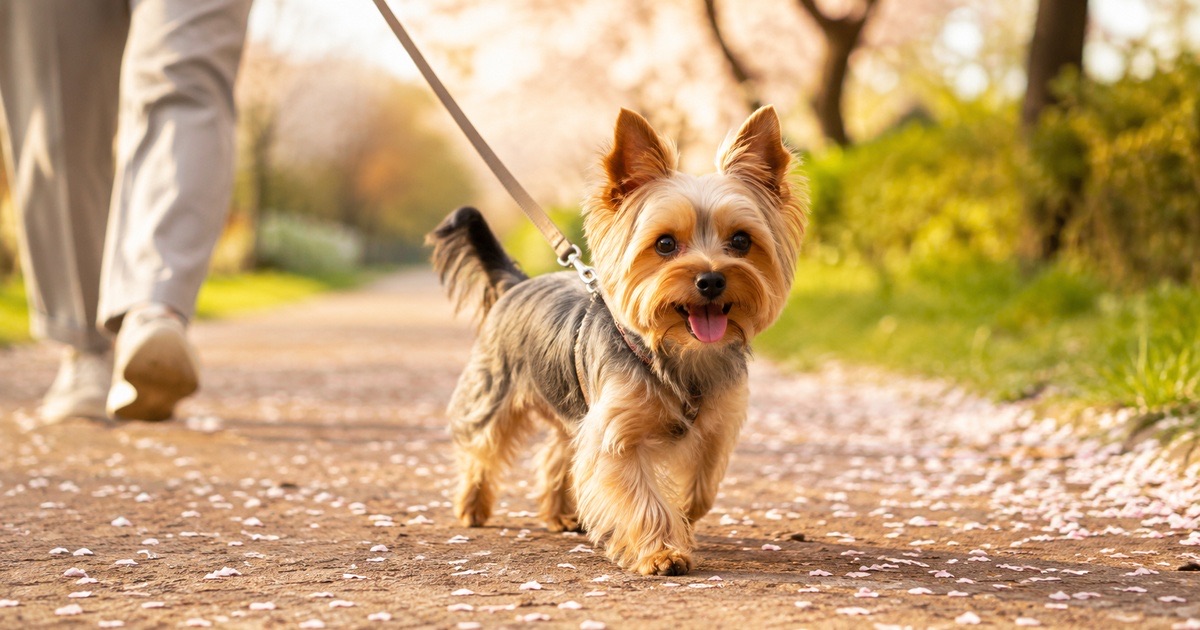
The 3-second hands-on check
| Check | Proper | Overweight signal |
|---|---|---|
| Rib feel | Ridges under thin fat | Deep pressing needed, or nothing felt |
| Waist from above | Tuck behind the ribs | Straight or bulging |
| Belly from the side | Line rising from chest to belly | Sagging or level |
These three are the heart of the veterinary body condition score (BCS). The common analogy: proper ribs feel like the bones on the back of your hand. Checking my dog Gureum's ribs while petting her has become a habit (it means "cloud" in Korean), and doing it with wet fur after a bath reads even truer. Right after grooming is another prime body-check window.
Eighty percent of the diet is decided at the mouth
The formula is simple: eat less or move more. In practice, the eating side is 80% of the result. The order: first, audit the treats: within 10% of daily calories, summed across the WHOLE family. Most audits find the surplus right here. Second, measure the food: swapping eyeballing for a scale alone corrects a 10-20% error. Third, if that's still not enough, step portions down 10% at a time or move to a dedicated diet formula. For satiety worries, low-calorie veggie toppers and split meals help. Crash diets that halve the bowl are banned: they strip muscle and invite the rebound.
Exercise: consistency over intensity
Throwing a heavy dog into hiking and sprints endangers the joints. Start by extending the usual walk 10-20%, flat-ground walking as the base, raising intensity only as the body lightens. In summer, when heat cuts activity, shift walks to early morning and top up with indoor scatter games and tug. And if swimming is available, it's the best zero-joint-load exercise there is.
A diet without records always fizzles
Half of any weight-loss plan is the walk. Log walks in kkeung and distance and time stack by date, with a paw stamp on every walked day: whether this week hit the target is visible at a glance. Post a from-above body photo the same day and the change gets recorded alongside.
Go collect paw stamps →The real culprits behind failed diets
Perfect plan, zero loss? The culprit is usually on this list: the family member feeding on the side (the summed-total failure), uncounted training treats, crumbs raining under the table, and the heart that melts on demand. That last one is the heavyweight. The hidden core of every dog diet is converting the beg-gets-treat habit into beg-gets-play-or-walk. What they're really after is usually your reaction more than the food: five minutes of play satisfies more often than you'd think.
If the weight won't move, consider a workup
Months of genuinely managed food and exercise with a needle that won't budge, or climbs, can mean a hormonal issue like hypothyroidism: more so if unusual cold-sensitivity, a dulling coat, and flagging energy stack on top. That's a testing question, not a willpower question: bring the diet history and talk to the clinic. And in the other direction, a health check BEFORE starting a diet is the correct first step for seniors and dogs with existing conditions.
Frequently asked questions
Can't I just compare against the breed's standard weight?
How do I weigh them at home?
Will switching to diet food definitely work?
They ballooned after neutering. Is that just how it goes?
They're dieting and constantly begging from hunger. What now?
This article is general information and does not replace a veterinary diagnosis. Talk to your vet about your dog's condition.