Senior Dog Checkups:
From What Age, and What Tests?
With my dog Gureum edging toward the gates of middle age (it means "cloud" in Korean), the number 7 keeps catching my eye. Dog-year seven is roughly the entrance to human middle age: the outside still bounces, while the organs quietly accrue mileage. A senior checkup isn't medicine AFTER illness: it's building the baseline BEFORE it.
The general recommendation: annually from age 7 (age 6 for large breeds), twice yearly past 10. The base package: physical exam + bloodwork (liver, kidney, glucose, and more) + urinalysis, with X-rays, ultrasound, cardiac workups, and hormone panels layered on by age and symptoms. The core value is banking the NORMAL numbers: the baseline the next checkup compares against is the key to early detection.
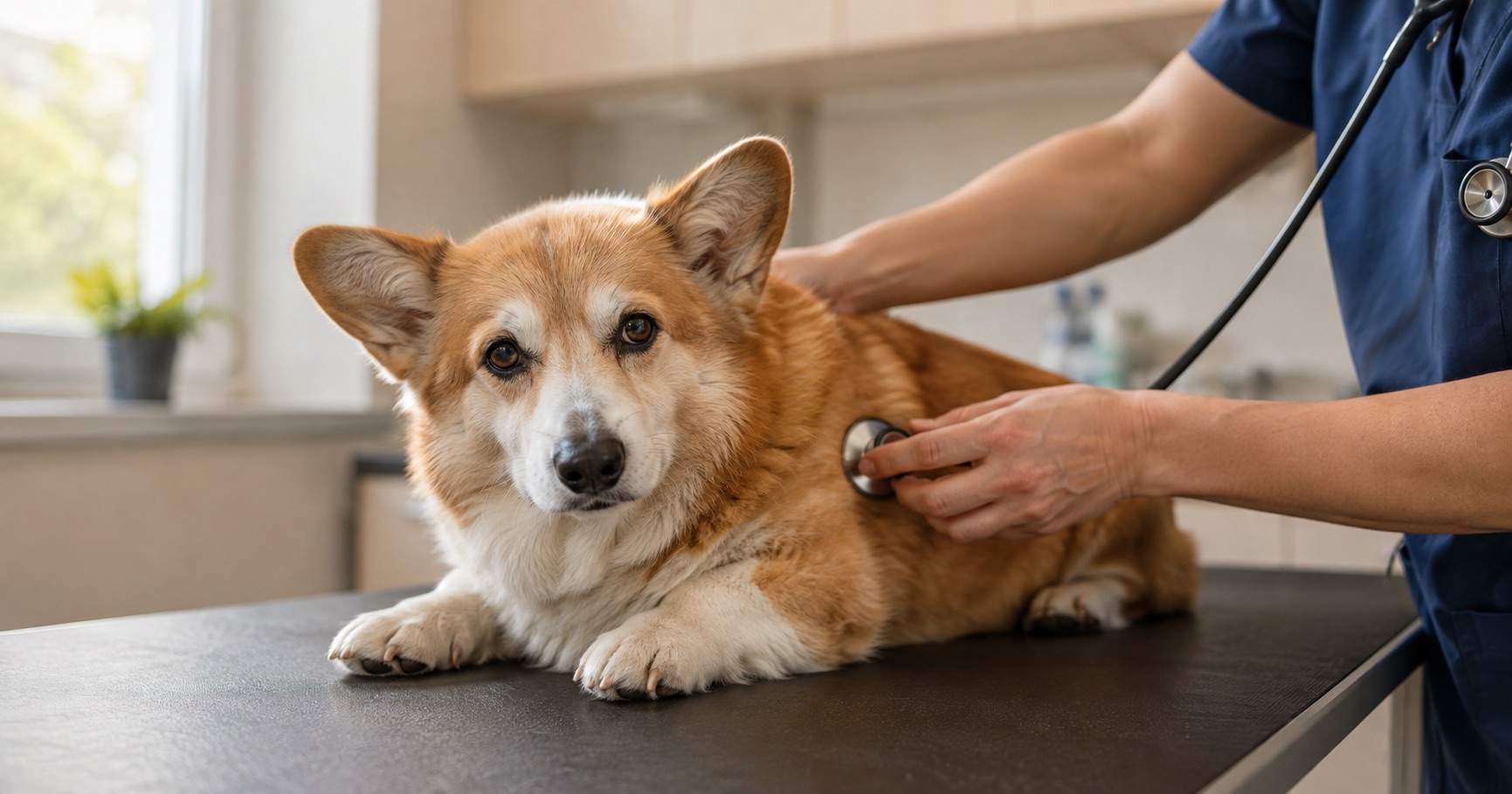
The age-based roadmap
| Age | Frequency | Base items |
|---|---|---|
| Adult (1-6) | Every 1-2 years | Physical, basic bloodwork |
| 7-9 | Yearly | Blood, urine + X-ray review |
| 10+ | Twice yearly | Blood, urine + cardiac, ultrasound expansion |
| Managing a condition | Vet-set | Disease-specific tracking |
Large breeds age fast: shift the whole clock 1-2 years earlier. And this table assumes NO symptoms. Heavy drinking, weight loss, and their kin jump the queue: testing comes first at any age.
Know what each test actually reads
Bloodwork is the organs' report card: liver and kidney values, glucose, anemia status: where a large share of senior diseases show their first clue. Urinalysis hints at kidney, bladder, and diabetes questions. X-rays read heart size, lungs, and joints; ultrasound reads organ structure and masses. A dog with a murmur adds the cardiac ultrasound; a dog gaining weight with a dulling coat adds the hormone panel. Doing everything would be lovely: budgets are real: so the rational build is the base skeleton (blood + urine) with your dog's symptoms and breed weak spots deciding what gets layered on, chosen with the vet.
Don't file the results sheet and forget it
The checkup's real value lives in COMPARISON. This year's kidney value can sit inside the normal range and still have climbed sharply since last year: the direction IS the information. So always take the results sheet home, keep it, and carry the history to any new clinic: the precision of care differs completely between the dog with a numbers history and the dog without. And at the results consult, don't settle for normal-or-not: ask two things: which items MOVED since last year, and which home signals to watch before the next visit.
Between checkups, everyday photos build the bridge
Checkups happen once or twice a year: the body changes a little every day. Post their gait and sleeping posture to kkeung regularly and each keeps its date, letting you tell the vet precisely what changed since last time. Walk distance and time stack by date too.
Save a photo of today →Prep and day-of tips
Confirm fasting requirements when booking: many blood panels need 8-12 hours (water usually allowed). Bring the medication and supplement list, plus a note of every symptom you've wondered about lately: the consult gets dense in the good way. For the clinic-phobic dog, the first morning slot minimizes waiting-room stress. Afterward, brief licking at the blood-draw site is fine: just keep the day itself quiet, no hard play.
When the budget pinches: the realistic approach
Full panels run from a couple hundred dollars into the several-hundreds depending on what's included. If that pinches, skip the all-or-nothing trap: year one, build the baseline with basic blood and urine: expand only the areas throwing signals in later rounds. Clinic wellness-plan promotions and low-cost screening events are worth watching for too. The one thing to avoid: skipping YEARS whole for cost. The price gap between early detection and late detection isn't measured against the checkup fee.
Frequently asked questions
They're still full of beans. Is a checkup really needed?
What if the checkup finds something? The fear keeps me postponing.
So no checkups needed before age 7?
Do different breeds need different tests?
Anything to prepare the day before?
This article is general information and does not replace a veterinary diagnosis. Talk to your vet about your dog's condition.