Ear Hair: Pluck or Leave It?
The Debate and Today's Standard
Every groomer told me something different. One said a Bichon's ear hair absolutely must be plucked: the next said nobody plucks anymore. My dog Gureum's ears have lived through both regimes (it means "cloud" in Korean), and I spent a long time confused in the middle. Here's the debate, sorted: with the explanation I finally got at the vet folded in.
The prevailing veterinary view these days: if the ear has no inflammation, there's no need to pluck. The micro-wounds plucking leaves can actually be where inflammation starts. The exceptions: a dog whose ear hair packs the canal shut, with repeated ear infections: there, plucking or trimming the opening wins. Your dog's own ears are the standard.
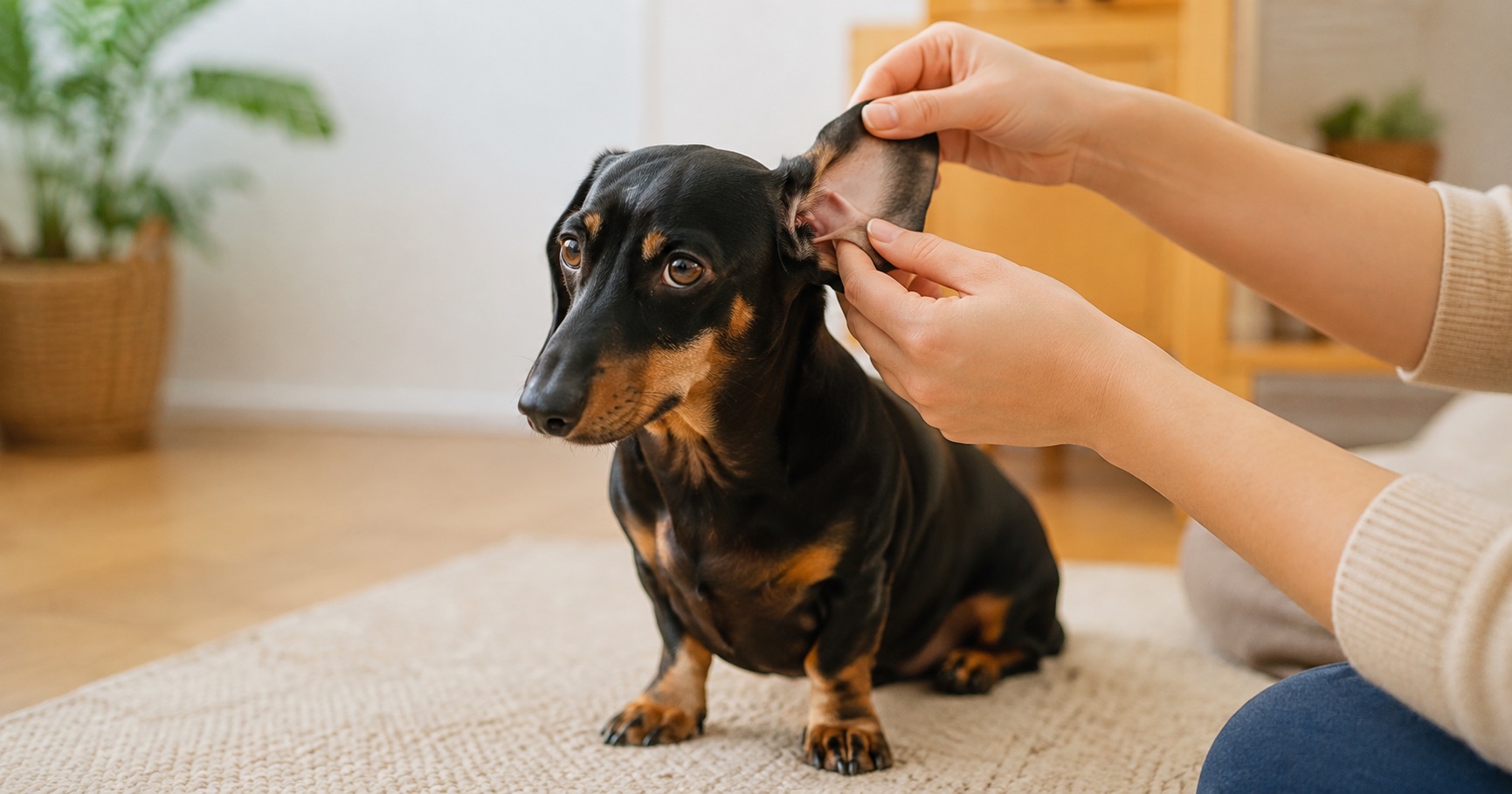
Why did we pluck, and why the change?
Breeds like Poodles, Bichons, Schnauzers, and Maltese grow hair down into the ear canal. The old thinking: that hair blocks airflow, the ear stays damp, infections follow: so plucking at every grooming was standard. Then came the observations of tiny wounds at the follicles, and bacteria moving into those wounds: and the standard started shifting. Today, for a healthy, inflammation-free ear, the leave-it camp has grown.
It hasn't resolved into one answer. Vets themselves split: and the tiebreaker is always the state of YOUR dog's ears.
| Pluck | Leave it | Trim the opening only | |
|---|---|---|---|
| Pros | Airflow, less wax buildup, easier cleaning | No follicle wounds, no stress | Some airflow, low wound risk |
| Cons | Pain, micro-wounds can inflame | Dense hair traps moisture and wax | Inner hair remains: limited effect |
| Right for | Repeated infections, hair packing the canal | Clean, odor-free ears | Lots of hair, no inflammation |
* Whichever route: ear cleaning and drying are separate jobs. Handling the hair never substitutes for ear care.
So: pluck, or leave?
- Fold the ear back: pink inside, no odor: leave it. There's nothing to fix.
- Hair fully covers the canal and wax won't wipe clean: try trimming just the opening with scissors or a trimmer.
- More than two ear infections a year: discuss plucking with the vet. Even then: a little at a time, never all at once.
- Allergies keeping the ears chronically red: allergy management comes first. Pluck everything and the inflammation continues anyway.
Gureum was the second case: plucked, she shook her head for days: left alone, the wax wouldn't wipe. We've settled on opening-only trims at the groomer, plus cleaning every ten days. Your dog's answer emerges after a few rounds of trying.
If you do pluck: how?
Learn this from a groomer or vet before starting: that's the honest recommendation. Dust with ear powder to cut the slip, then pull only near the canal's OPENING: a few strands at a time, with a hemostat or fingers, in the direction of growth. Never deep, never a big grab. Afterward, rinse with ear cleaner to wash out powder and loose hair, and dry well. If the ear runs red for days after, or the scratching won't stop: that method isn't for your dog.
Ear photos make the comparison easy
Whether to pluck or leave gets answered by the ear's condition over time. Post inner-ear photos to kkeung and each keeps its date: did it redden after plucking, does it dampen when left: the timeline shows it. At the clinic, you just hold up the feed.
Save a photo of today →Pluck or leave: the ear care is the same
Cleaning cycle
Floppy-eared breeds: every 1-2 weeks. Upright ears: every 2-4. Fill with cleaner, massage the ear base for 30 seconds, let them shake it out, and wipe only what surfaces with cotton. Cotton swabs pushed deep: never.
Drying after baths
Ear hair traps bath water and holds it. After every bath, wipe inside the ears with dry cotton. And no dryer air aimed into the ear.
The go-to-the-vet signals
A sour smell: brown or black wax that returns within days: frequent head-shaking or scratching: pain when the ear is touched. Any one of these isn't a hair problem: it's inflammation. Don't manage it with cleaning: get it examined.
Chasing a final verdict in the ear-hair debate is exhausting: the actual answer is looking into your dog's ears often. Whichever camp you pick, a look every ten days keeps you ahead of anything serious.
Frequently asked questions
If I don't pluck the ear hair, will they get ear infections?
Does plucking hurt?
The groomer plucked the ear hair without asking.
Can I trim ear hair at home?
They keep scratching their ear after a plucking. Normal?
This article is general information and does not replace a veterinary diagnosis. Talk to your vet about your dog's condition.