When Your Dog Won't Eat:
Telling Illness from Attitude
The full bowl, the turned back walking away: it eats at you. But there are kinds of not-eating: the serious kind, and the fine kind. Telling them apart comes first; what to do comes second. Here's both, in order.
First check: are treats and water going down? Treats yes, energy yes: likely a holdout or taste issue. Treats and water refused, or vomiting and lethargy joining in: illness signal, vet now. An energetic adult skipping one meal can be watched; zero food past 24 hours needs an exam.
The top 5 reasons
| Cause | Character | Response |
|---|---|---|
| 1. Illness, pain | Treats refused too, lethargy, vomiting | Vet immediately |
| 2. Dental, oral trouble | Wants to eat, chews then drops it | Check the mouth, then vet |
| 3. Treat overload | Wild for treats, refuses only meals | Stop treats, reset the rules |
| 4. Heat, environment change | Summer, a move, a new family member | Support the adjustment |
| 5. Food problem | Right after a switch, or rancid food | Check the food, slow the transition |
The vet-now signals: memorize just these
Any one of these joins in, stop watching and go: not drinking water; vomiting or diarrhea alongside; slumped and unresponsive to favorites; resents belly touches; gums pale or yellowish. Puppies and seniors strain from even one missed day, so their threshold sits shorter. Appetite is a dog's #1 health signal: when in doubt, one phone call to the clinic is cheaper than regret.
Verdict is attitude? Here's the reset
Devouring treats while refusing meals is usually learned holdout: they've discovered that waiting produces something tastier. The fix is plain. Serve the meal, remove it untouched after 20 minutes, no treats until the next meal, same food again at the next meal. Survive the two soft-hearted days and most dogs come back. A healthy adult eating light for a few days is not a crisis, so not wavering is the whole game.
My dog Gureum's appetite thins every summer (it means "cloud" in Korean), and thanks to this rule, a holdout has never lasted. Start topping out of pity, and a dog who won't eat without toppers is one blink away.
The vet WILL ask when the eating stopped
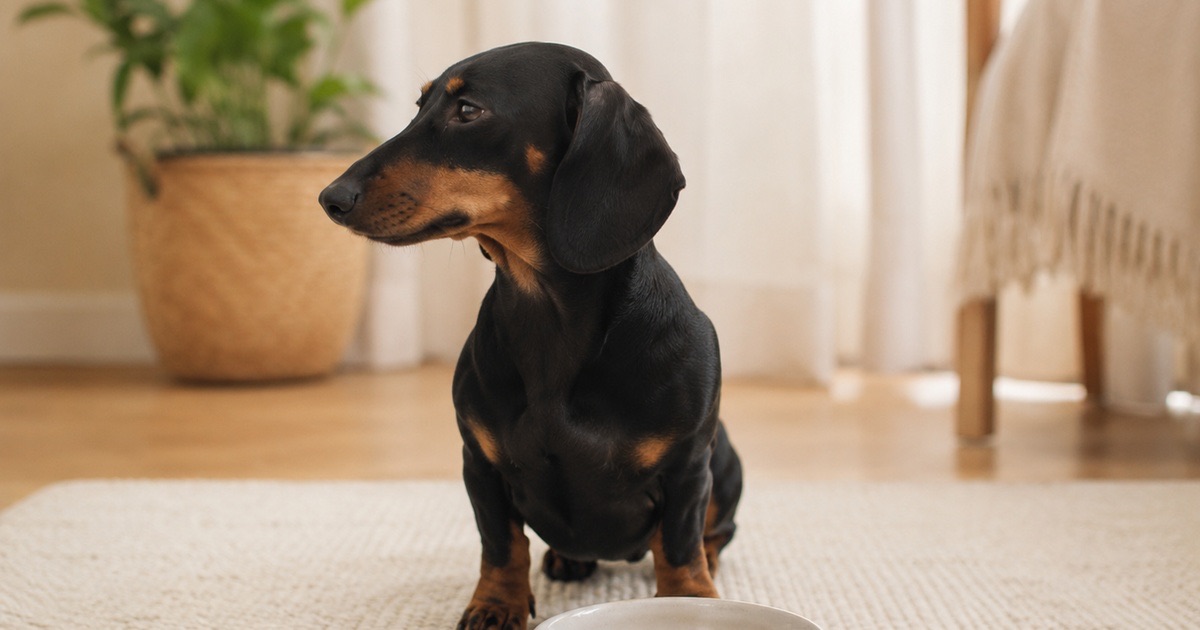
Few owners can name the exact first skipped meal. Post even the head-turn-at-the-bowl photo to kkeung and the post keeps its date, so at the exam you can answer "how many days" precisely. Diagnosis starts there.
Save a photo of today →Summer appetite dips are half normal
Heat lowers activity, and appetite follows: a natural rhythm. With energy intact and water flowing, a summer-long dip in portions can simply be watched. You can help: shift meals to the cool hours (early morning, after sundown), chill the kibble briefly in the fridge, or soak it in a little warm water to lift the aroma. One caution: early heatstroke lethargy can masquerade as heat-related pickiness. Heavy panting plus slumping is a different conversation.
Audit the bowl and the spot, too
Sometimes the culprit is the dining setup. A bowl that skids so they chase it across the floor. A feeding height that cranks the neck. A meal spot planted in the household's busiest walkway. Some sensitive dogs hate their reflection in a stainless bowl, or the clink of their tag against it. Swapping the bowl and moving dinner to a quiet corner quietly resolves a surprising share of cases: once the vet has ruled out illness, walk a lap around the environment.
Frequently asked questions
How many days of not eating is still okay?
Is topping their food a bad move?
They stopped eating after a food switch. Go back?
They skip meals but graze on grass. What does it mean?
They refuse meals but devour treats. Leave it alone?
This article is general information and does not replace a veterinary diagnosis. Talk to your vet about your dog's condition.