A Baby Is Coming: Preparing Your Dog,
From Sound Drills to the First Meeting
Loaf the Corgi's family just had their first baby. Through the whole pregnancy, his owner's biggest worry was how Loaf would take it: and thanks to prep that started three months before the due date, the first meeting was, in her words, almost eerily quiet. I asked for the entire playbook. Here it is.
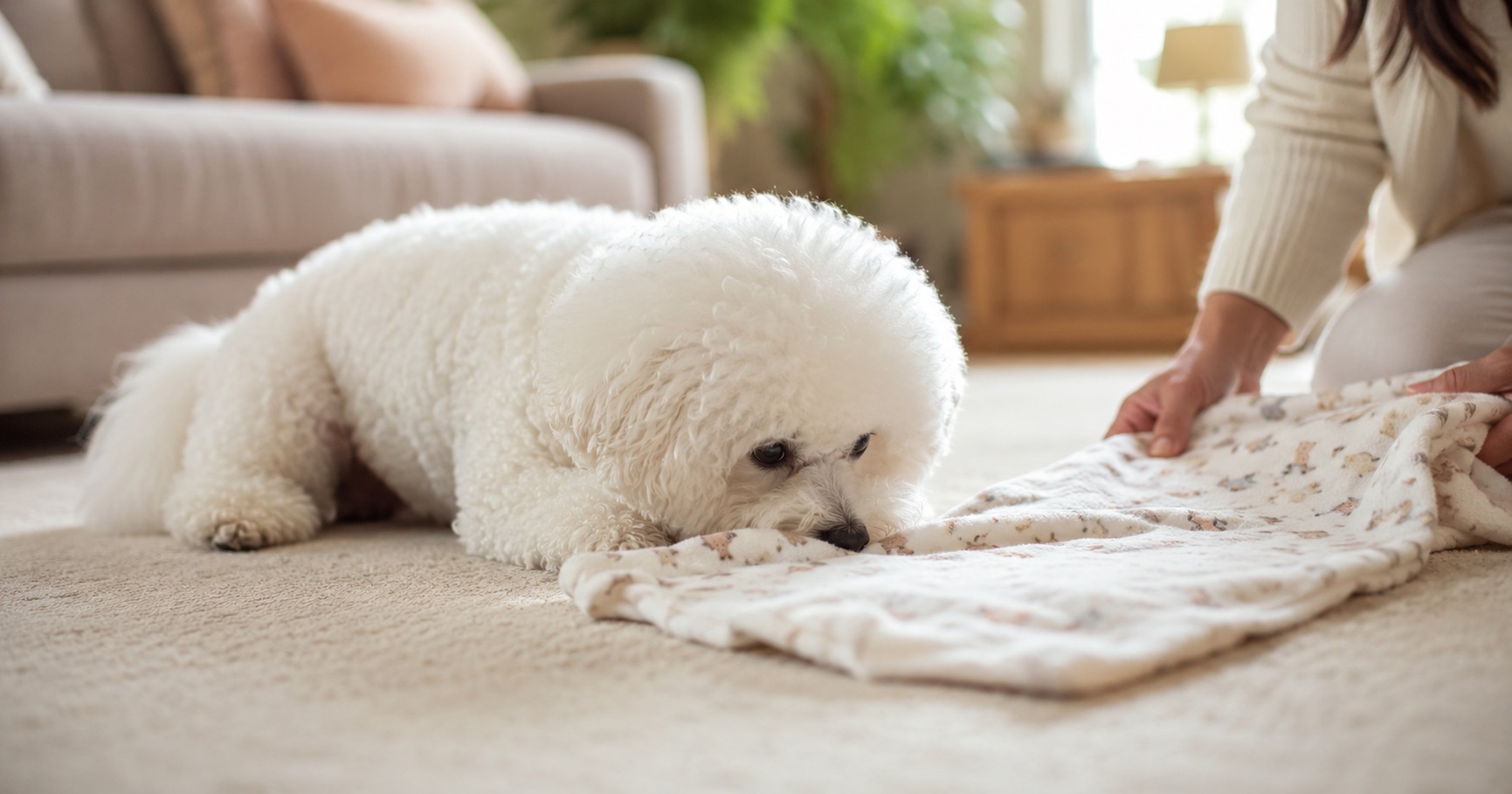
The core principle: finish every change BEFORE the baby arrives. From three months out: crying sounds at low volume wired to treats: baby lotion and gear scents planted around the home: and every rule that will change (bedroom access, couch, walk times) changed NOW. After the birth: send a baby-scented blanket home first: keep the first meeting short, leashed, and calm. And the one rule with no exceptions: baby and dog are never alone together.
The pre-birth countdown
To a dog, a baby is a being made of strange sounds, strange smells, and strange movement: which ALSO confiscates the owner's attention wholesale. Land both shocks at once and the dog files the baby under bad news. So the entire goal of preparation is one line: when the baby arrives, as little as possible is new. Count backward from the due date.
| When | Do | Why |
|---|---|---|
| 3 months out | Play recorded crying at low volume with treats: 5 minutes daily, volume creeping up | The cry gets wired to good things |
| 3 months out | Apply the future rules NOW (bedroom access, couch, walk times) | Blocks the "baby took it from me" association |
| 2 months out | Set up the nursery gear: wear the lotion and powder on your own hands | Scents and objects become furniture |
| 2 months out | Carry a doll around while ignoring the dog | No jumping on the person holding something |
| 1 month out | Hand walks and meals to another family member or helper | Rehearses the post-birth staffing change |
| Right after birth | Send a baby-scented blanket home ahead of you | The first introduction happens by nose |
The homecoming sequence
Coming home from the hospital, the person holding the baby does NOT walk in first. The dog has days of stored-up greeting ready to launch: so the baby-free person enters first, absorbs the full welcome, and takes the dog for a walk to burn the excitement down. THEN the person with the baby sits, and another family member brings the dog over on a leash, slowly. Feet get sniffed, blanket gets sniffed: thirty seconds, and the first meeting is done. No face-licking, no holding the baby out at nose level. The rhythm for the first days: short, calm, repeated.
Learned this watching from next door: Loaf's family fed him treats continuously through the entire first meeting. Day one, the lesson was planted: baby present, good things flow. These days, whenever the baby is in the nursery, Loaf reportedly sits at the door. Waiting for treats, sure. But sitting calmly at the door.
The house rules once the baby is home
- Never alone together. The gentlest dog alive: still never. Even a bathroom trip means a gate or a closed door between them.
- Baby present = good things. Treats or a long chew during feeding sessions: and when the baby sleeps, attention deliberately dials DOWN.
- Protect the dog's retreat: once the baby crawls, the dog needs a high perch or gated bed the baby cannot reach.
- Don't drop the walks. The first two months are brutal: but shrinking walks grow problem behaviors. Delegate.
- Yawning, head-turning, lip-licking near the baby: extract the dog on the spot. That's the enduring-it signal.
My dog Gureum learned her own version with visiting nephews: the go-to-your-bed rule (it means "cloud" in Korean). For a baby-free home, that rehearsal is the closest available.
Baby meets dog: keep that first photo
It starts with a photo of a dog sniffing a blanket: then sitting beside the baby: then a tiny hand reaching out: then the two walking together. Stacked in date order on kkeung, that's a whole story with chapters: and the neighborhood dogs' likes roll in under it. Skip the first frame and it stays skipped forever.
Save a photo of today →As the baby grows
The crawling phase
Peak danger window. The baby heads straight for the food bowl, the bed, and the tail: and the dog meets a small being that suddenly MOVES. Feed the dog where the baby can't go: bed inside a gated zone: and when the baby crawls toward the dog, an adult intercepts FIRST.
The walking-and-grabbing phase
From the moment language starts landing, install the rules: dogs are for sitting NEXT TO, not hugging: sleeping dogs are never touched. And when the baby hits or pulls and the dog endures it: don't file that under fine. Remove the baby, on the spot, every time.
The dog's distress signals
Post-baby: refusing food, more accidents, hiding in corners, going rigid near the baby: that's adaptation failing. Carve out fifteen minutes of dog-only time daily: and if it doesn't turn, bring in a trainer.
A dog comes to love a baby by learning one thing: this small person makes good things happen. That lesson gets built in the three months before the birth and the month after: by you. It's a hard season. Just remember: the dog is welcoming a new family member too.
Frequently asked questions
What if the dog gets jealous of the baby?
Isn't dog hair bad for the baby's health?
The dog barks at the baby's crying.
The dog growled near the baby.
Should the dog board somewhere for a while after the birth?
This article is general information and does not replace a veterinary diagnosis. Talk to your vet about your dog's condition.