3 Things That Come Into View
When You Log Walks
"Walk logging" sounds like a production, but really it boils down to one question: how many days did my dog walk this month? Surprisingly few owners can answer on the spot. I couldn't either. So I started recording, and three things changed.
Logging walks changes three things. First, exercise volume becomes numbers instead of gut feel. Second, the moment their walking starts shrinking becomes visible, catching health issues early. Third, your household develops its own seasonal rhythm. Notebook or app, the tool doesn't matter. Consistency is everything.
Change 1: gut feel becomes numbers
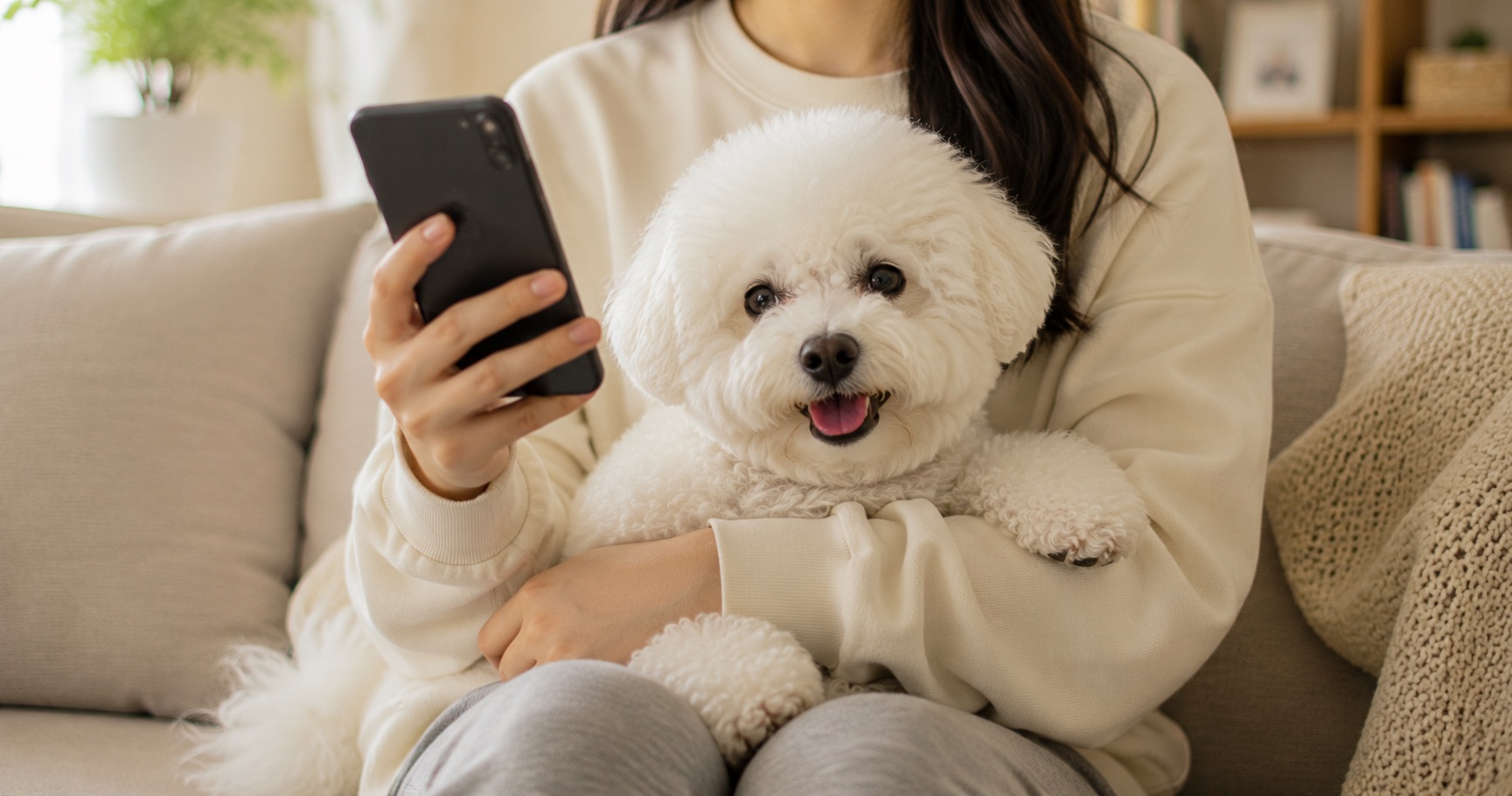
The sense that "we've been walking plenty lately" is wrong more often than not. My first month of logging with my dog Gureum (it means "cloud" in Korean), I was sure we'd walked a lot. The calendar showed twelve paw stamps. Not even half the month. But numbers don't make you write apology letters; they build next month's target. Twelve this month, so sixteen next. Like that.
Change 2: health issues show up early
Dogs can't tell you when they hurt. Their steps tell you instead. When walk distance shrinks for no reason and the shorter-walks trend keeps going, it can be an early signal of joint or heart trouble. With a log, that change appears as a curve, and at the clinic you can state precisely when it started and by how much. Ask any vet: this is the reference material they're happiest to see.
Change 3: your household gets its own rhythm
| Season | What the log teaches you | Next year's use |
|---|---|---|
| Summer | Which hours were comfortable | Go straight to them, zero deliberation |
| Rainy stretches | How long indoor play carried you | Prep the nose work in advance |
| Winter | How much the walking drops | Plan the offset before the drop |
Stack up a year and the calendar becomes your household's own instruction manual. A handover document from last year's you to this year's you.
How to record
Notebook, spreadsheet, app: anything works. But lasting requires one condition: recording must take under 10 seconds. Humans skip what's tedious. Date, time, and distance saved automatically, plus room for one photo, and you're covered.
Turning that 10 seconds into 0 is what kkeung's walk log does
Tap the walk button once and distance and time stack up by date, with a paw stamp on every walked day. Put a dense month and a sparse month side by side and the three changes above simply appear. The quiet satisfaction of a filling record: try it once.
Start your walk log in kkeung →The easiest way to start
Start grand and you won't last three days. Week one's goal is exactly one thing: mark the days you went out. Distance and time come later. A circle on the calendar or a button in an app: once the habit of recording the fact of going out settles, the rest follows on its own. An unbroken record beats a perfect one a hundred times over.
The best recording moment is right after the walk, at the door, in the same spot where you wipe the paws. Wait until you're inside and half the time you'll forget. Make recording the final step of the walk, and the habit is done.
The unexpected gift a record gives you
We've covered numbers and health, but the record's biggest gift is something else: given time, it becomes your dog's biography. The first walk. The first time they saw the ocean. That one spring day you walked unusually far. A dog's time runs faster than ours, and today's ordinary walk becomes, in a few years, the scene you miss most. A record is the only way to hold onto those scenes. Start with tonight's walk. Future you will be grateful.
The beautiful thing about recording is that starting requires nothing. Log tonight's walk and that's day one. Three months from now you'll be an owner holding three months of data. Today is the earliest day there is.
Frequently asked questions
Isn't a paper notebook enough?
When I miss a few days, my motivation crashes.
Should photos go in the log too?
Multi-dog household: separate logs per dog?
Is there a best time to start logging?
This article is general information and does not replace a veterinary diagnosis. Talk to your vet about your dog's condition.