Dog Dental Cleanings: Really Necessary?
The Anesthesia Question Too
The breath is getting noticeable, but a dental cleaning means anesthesia: and that's frightening. The night before my dog Gureum's first cleaning (it means "cloud" in Korean), I did nothing but search anesthesia worries for hours. So, the conclusion up front: once tartar has settled in, a dental cleaning is treatment, not grooming. Here's why, and how to handle the anesthesia fear.
Tartar progresses to gum inflammation and periodontal disease: tooth loss, plus bacteria entering the bloodstream to burden the heart and kidneys. Hardened tartar doesn't yield to brushing: a professional cleaning is the answer, and because the work must reach below the gumline, anesthetic dental cleaning is the standard. Anesthesia safety is managed with pre-procedure testing, and the interval varies by dog: set it from the periodontal findings at checkups.
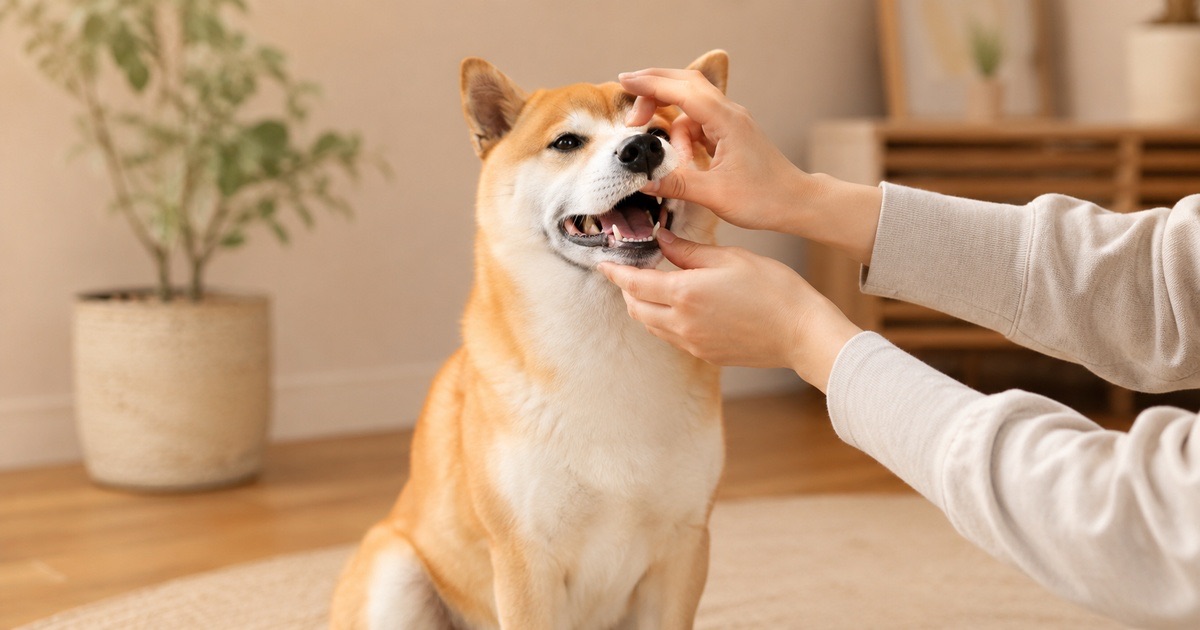
Where neglected tartar goes
| Stage | State | Signal |
|---|---|---|
| Plaque | Bacterial film: brushing removes it | Yellowish film on teeth |
| Tartar | Hardened: brushing can't remove it | Yellow-brown hard deposits |
| Gingivitis | Gum inflammation | Red gums, worsening breath |
| Periodontitis | Tooth-support destruction | Loose teeth, pain, bleeding |
| Systemic effects | Bacteria entering the bloodstream | Possible heart, kidney burden |
The key line: plaque hardens into tartar in a matter of days. Which is why brushing is the prevention tool, and existing tartar has exactly one answer: the professional cleaning. Strong breath, brown teeth, or red gums: any one of those means a dental checkup is due.
Why anesthesia-free dentals aren't recommended
Fearing anesthesia and seeking the anesthesia-free option: completely understandable. But veterinary dentistry advises against it for a reason. The real disease isn't the visible tartar: it's the tartar and inflammation BELOW the gumline, and working safely under the gums of a fully awake dog is close to impossible. Scrape the surface white and it looks great, while the disease continues underneath: and the dog learns only the terror of being restrained under sharp instruments. If anesthesia risk is the worry, the honest path isn't routing around anesthesia: it's making the anesthesia itself safe, through pre-procedure testing.
How the anesthesia worry actually gets managed
Before the cleaning, bloodwork and other tests check liver and kidney values and overall fitness for anesthesia. Seniors frequently proceed on good results: often the judgment is that UNTREATED periodontal disease is the heavier burden. Ask the clinic everything that worries you: which tests, what monitoring runs during anesthesia. Hearing the answers shrinks the fear to its realistic size. Gureum went from testing to recovery in half a day, and was doing zoomies by the next.
Log the cleaning date before it fades
The next cleaning's timing depends on knowing the last one's. Post a photo of the freshly cleaned teeth to kkeung and it keeps its date: findable instantly a year later, and the rebuild speed of the tartar shows in photo comparison too.
Save a photo of today →After the cleaning is when it really starts
Those smooth post-cleaning teeth are just a reset button: without upkeep, plaque and tartar rebuild. Once the gums settle for a few days, you're standing in the best window there is for making brushing a habit: starting on smooth surfaces works better and meets less resistance. Ideal: daily. Realistic target: 3+ times weekly, with a dog toothbrush and dog toothpaste (human toothpaste banned: xylitol danger). For the truly brush-proof dog, dental chews and oral rinses serve as backup: while remembering they're supplements, never substitutes.
Cost and interval: the practical talk
Cleaning costs swing by hundreds of dollars depending on pre-testing, anesthesia, and whether extractions happen. Reading a quote, confirm what's included: testing, anesthesia, the cleaning, polishing: and how extraction charges add on. As for interval, there's no universal answer: a well-brushed dog can go years between cleanings, while tartar-prone dogs (common among small breeds) need them more often. Request a dental check at the annual exam and let YOUR dog's data set the schedule: that's the rational way.
Frequently asked questions
If they chew dental sticks well, do they really need a cleaning?
Could extractions happen during the cleaning?
If several teeth come out, can they still eat?
They violently hate tooth brushing. Any way in?
What's the aftercare following a cleaning?
This article is general information and does not replace a veterinary diagnosis. Talk to your vet about your dog's condition.