Bones for Dogs: Okay or Not?
Starting with Cooked Bones
Cartoon dogs are forever gnawing a bone, so "bone = dog treat" runs deep. Reality disagrees with the cartoons. A cooked bone, in particular, is less a treat than a weapon. Let's settle the bone question for good.
Cooked bones: absolutely never. Heated bone splinters into long, sharp shards that can lodge in or puncture the esophagus and intestines. Chicken and rib bones are the classic culprits. Raw bones are contested territory: even proponents attach strict size and supervision conditions, so they're not for beginners. The practical answer for the chewing urge is a safety-verified substitute.
Cooked vs. raw vs. substitutes
| Category | Safety | Note |
|---|---|---|
| Cooked bones (chicken, ribs, roasts) | Banned | Sharp splintering, perforation risk |
| Raw bones | Contested, conditional | Bacteria, tooth fracture, swallowing risks persist |
| Dental chews, chew toys | Relatively safe | When size and hardness rules are followed |
Why cooked bones are dangerous: it's structural
Heating drives the moisture and collagen out of bone, leaving it brittle. The problem is HOW it breaks: into long, sharp, lengthwise shards. Those shards spear the roof of the mouth, scrape down the esophagus, and in the worst cases punch holes in the stomach or intestines. Chicken-bone accidents dominate because chicken bones are everywhere, small, and fragrant enough to be swallowed in a blink. The chicken bones on the table, the rib bones in the trash bag, the discarded wing on the sidewalk. Cooked-bone management covers the whole territory, indoors and out.
Why raw bones are contested
Raw bone doesn't splinter the way cooked bone does, which is why raw-feeding households sometimes serve it. But the case against is just as concrete: salmonella and other bacteria, molars cracking against hard bone, and swallowing or intestinal blockage when the size call goes wrong. Among vets, caution is the majority position. If you go there anyway, the conditions are strict: a raw bone larger than your dog's head, from frozen-distributed feeding-grade stock, only under supervision. If you can't commit to that standard, the right move is not starting. I've hovered over soup bones at the market more than once, thought about the price of my dog Gureum's molars, and put them back (it means "cloud" in Korean).
Feeding the chewing urge, no bones required
Giving up bones doesn't mean giving up the joy of chewing. A dental chew that meets the size and hardness rules, a Kong stuffed with treats and frozen, a safety-certified chew toy: the urge gets fully satisfied. And the hardness rule applies to bones and everything else equally: if a thumbnail pressed into it leaves no mark, it's a tooth hazard in any form. Worth memorizing.
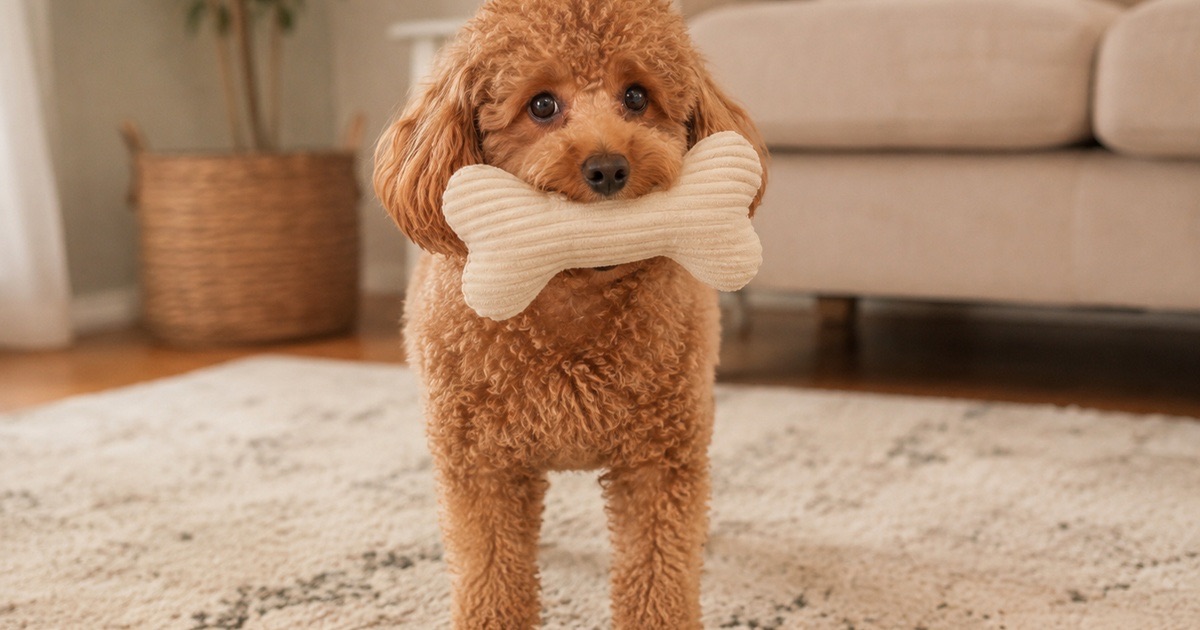
That dead-serious chewing face deserves saving
A dog locked onto a safe chew wears the most earnest expression they own. Photos and short clips posted to kkeung keep their dates, so later you can scroll back and see which chews held their attention, and for how long.
Save a photo of today →If they swallowed a chicken bone: this order
If it's already down, spend your panic on the sequence instead. First, check the mouth for remaining pieces and remove what comes easily, no forcing. Second, do NOT induce vomiting: a sharp shard scraping back up the esophagus makes things worse. Third, call the vet with the size and the time it was swallowed, and follow their lead: clinics differ on come-in-now versus watch-at-home. Then, for the next several days, any vomiting, appetite loss, black or bloody stool, belly pain, or hunching means an immediate visit. Even a perfectly normal-looking dog serves out the full observation window.
Prevention starts at the trash can
Most bone accidents come from theft, not feeding. The trash bag on fried-chicken night, the plate parked on the table for a second, the barbecue at the next campsite over. A locking trash can, clearing scraps off the table immediately, and leash management when eating out or camping: those three beat the entire raw-bone debate for real-world safety. Not serving bones at home means nothing if your dog can source their own.
Frequently asked questions
What about bones left over from making broth?
They swallowed a bone and it came out in the stool. Are we done?
Duck neck treats are bones. Why are they sold?
Don't dogs need bones for calcium?
Some households feed raw bones. What are the conditions?
This article is general information and does not replace a veterinary diagnosis. Talk to your vet about your dog's condition.