Dog Licensing and Microchips:
What's Required, and How It Works
The day I took my dog Gureum in to be registered, half the owners in the waiting room were asking the same question: "is that actually required?" (It means "cloud" in Korean.) I hadn't known either, at first. Registration is a legal duty in most places: but more than that, it's very nearly the only OFFICIAL road a lost dog has back home.
In most jurisdictions, pet dogs past early puppyhood must be licensed or registered: skip it and fines can follow, with the exact rules set by your city or county. Registration rides on an ID: a microchip implanted by a vet, or a tag-based option: and the microchip is the recommended route, since it can't fall off. One more thing: when your phone number or address changes, the registration must be UPDATED: otherwise it can't do its one job.
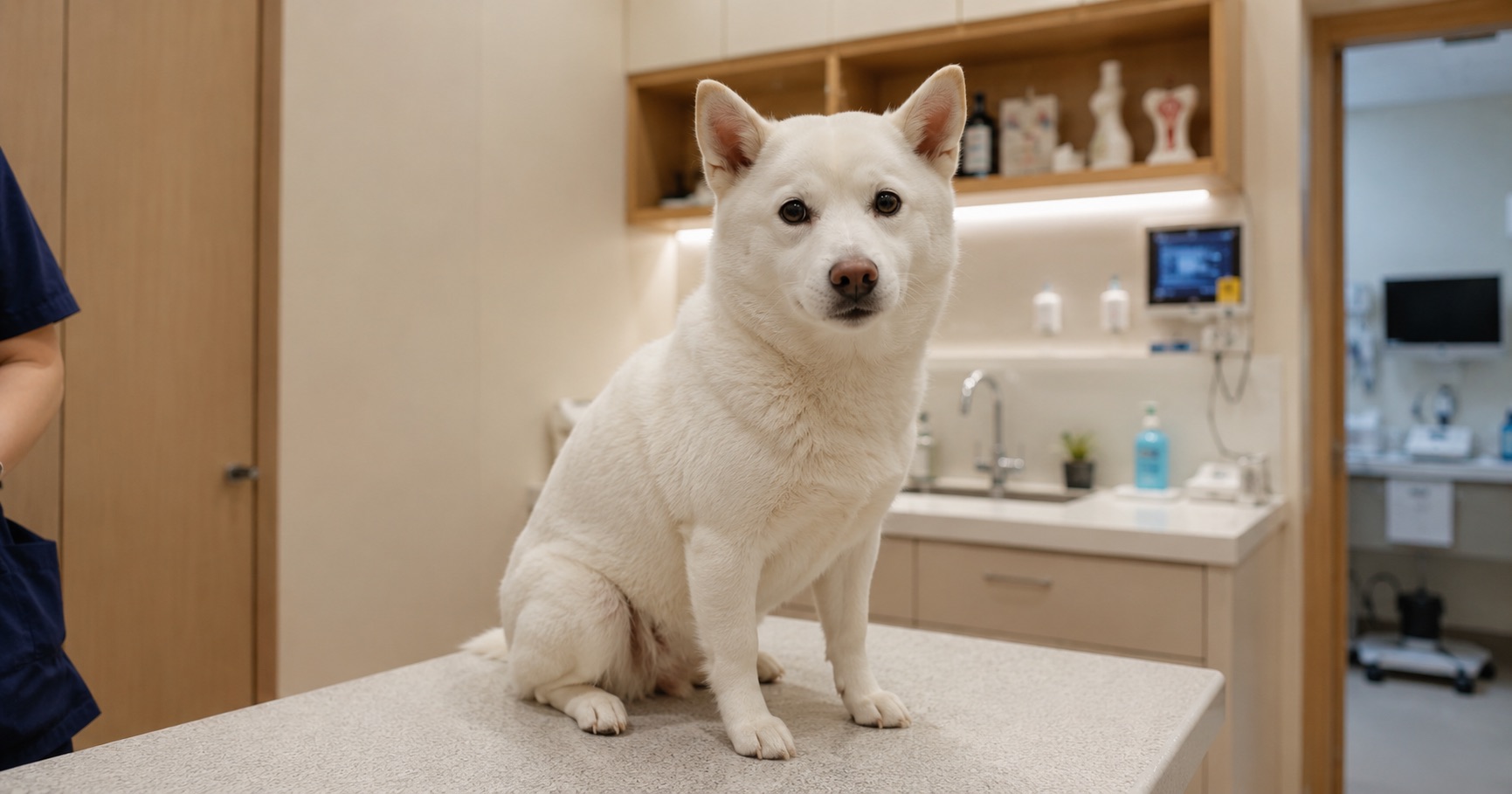
Who registers, and how?
Nearly everywhere, a pet dog past the first couple of months of age falls under licensing or registration rules: newly adopted counts too, once they're old enough. The mechanics are simpler than they sound: the real choice is what carries the ID.
| Microchip | Tag on the collar | |
|---|---|---|
| How it works | Rice-grain chip placed under the skin at the shoulders | License tag attached to the collar |
| Loss risk | None | Collar lost, ID lost |
| Procedure | Like a vaccine shot: no anesthesia | No procedure at all |
| Lost-dog value | Certain: scannable anywhere | Only works while the collar's on |
| Best for | Almost everyone | Strong aversion to the procedure |
※ Many shelters and animal-services departments run low-cost microchip clinics. Worth checking what your area offers before paying full price.
Where does it happen?
The easy path: a vet clinic. The chip goes in and the paperwork gets handled in one visit: call ahead to confirm they process registrations, and bring your ID. Once complete you'll have a registration record, and the number can be looked up anytime. Your city or county animal services office (often online) handles the license itself: but since the chip has to be placed at a clinic anyway, starting at the vet usually finishes everything in one trip.
Registered: done? The forgotten second half
Here's the step everyone skips: when you move, change numbers, or transfer the dog to a new owner, the registration has to be UPDATED: same if the dog is lost, or crosses the rainbow bridge. Learned this on the job: a registration pointing at an old phone number means that when someone finally FINDS your dog, the call goes nowhere. Registering is the start: keeping the record current is the finish. Updates typically run through your registry's website or the local animal services office.
Registration day deserves a neighborhood debut
Finishing the registration comes with a real "officially a local now" feeling. Open kkeung and the same neighborhood's dogs are right there: flexes, completed walks, and walk friends waiting to happen. Just browsing who lives nearby is half the fun.
Meet the neighborhood dogs →Around the registration
The ID tag is separate, and still essential
A chip is invisible from the outside. A collar tag with a name and phone number lets any FINDER call immediately: no scanner required. Chip plus tag: think of it as double coverage on the same insurance.
Nervous about the chip procedure
It's a vaccine-shot-grade procedure with a low complication record. Still uneasy? Schedule it alongside a vaccination or checkup: one clinic visit, one round of stress. Afterward, just avoid pressing hard on the site for a few days.
If you went tag-only
The whole system depends on the tag being WORN: hanging by the door, it's the same as no registration. Fix it permanently to the walking collar and never think about it again.
Registration was never about avoiding a fine. It's about building the road home in advance, for the worst day you hope never comes. Not done yet? Fold it into this weekend's vet run and be finished with it.
Frequently asked questions
What's the fine for an unlicensed dog?
Do cats need to be registered too?
Can a microchip track my dog's location?
What if a registered dog goes to a new owner?
What do I actually get out of registering?
This article is general information and does not replace a veterinary diagnosis. Talk to your vet about your dog's condition.