Dog Hiccups:
Normal or Something More?
Hic. Hic. A dog's body bobbing in a steady rhythm can look alarming the first time, but once you know what it is, it's mostly an adorable little episode. The video of my dog Gureum's first puppy hiccups is still a treasure in our family group chat. That said, it's worth knowing how to tell hiccups apart from things that only look like hiccups.
Dog hiccups are brief spasms of the diaphragm, just like ours, especially common in puppies, and usually a normal event that stops on its own within minutes. They tend to follow fast eating or excitement. What deserves attention is when it isn't actually hiccups: lasting close to an hour, recurring many times a day, accompanied by breathing trouble, coughing, or vomiting, or your dog seeming distressed mid-hiccup. In those cases, take a video and see your vet.
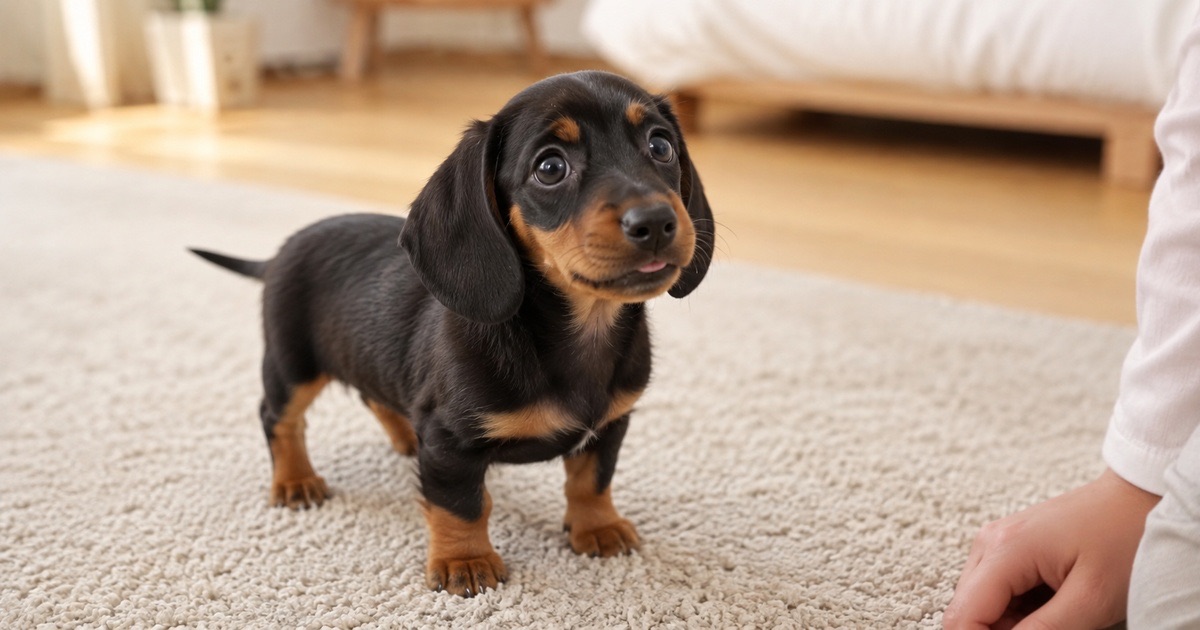
Hiccups: a situation-by-situation guide
| Situation | Call | Response |
|---|---|---|
| Puppy, a few minutes after meals or naps | Normal | Just watch, film it for the memories |
| After eating too fast | Normal range | Prevent by slowing down meals |
| After excited play | Normal range | Fades once they settle |
| Lasting 30 to 60 minutes | Atypical | Film it and call your vet |
| With coughing, retching, or breathing issues | Possibly another symptom | Vet visit |
| Adult dog suddenly hiccuping daily | Pattern change | Vet consult |
Why are puppies so prone to hiccups?
A puppy's diaphragm and breathing control are still maturing, and everything, eating, playing, happens in a mad rush. They gulp air while inhaling their food, lose their breath mid-zoomies, and the diaphragm gets startled into little spasms. That's the puppy hiccup. Frequency naturally drops as they grow, so a puppy's post-meal hiccups aren't a worry item. Think of them instead as a passing scene from a stage you won't get to see again.
Can I help them stop?
You can't startle a dog out of hiccups or have them hold their breath, and there's no need to. What helps is calm. If they're worked up, settle them with slow petting; a little water often steadies the breathing rhythm and ends the hiccups. Gently stroking the belly is fine too. What not to do: feeding meals or treats mid-hiccup (choking risk), and making a fuss trying to reposition them. Most of the time, leaving them be is the best treatment.
Puppy hiccups are a scene you don't get twice
A hiccuping puppy is a sight that's gone within a few months. Post a short video to kkeung and the date stays on the post. Scroll back up your feed later and that tiny stage is right there again. Neighborhood dogs will drop likes, too.
Save a video of your pup →Symptoms that get mistaken for hiccups
The real problem is when it looks like hiccups but isn't, so here's how to tell them apart. Reverse sneezing is a fit of rapid inhaling through the nose that sounds like pig snorts, while hiccups bob the torso in a steady rhythm. Coughing pushes sound outward. Retching comes with a rolling belly and drooling as a warm-up. And abnormal breathing from heart or respiratory problems is irregular, with visible distress. They read alike on paper, but one video lets your vet tell them apart in seconds. When a movement is ambiguous, filming it is the answer.
Prevention starts at the food bowl
The common thread among frequent hiccupers is usually speed-eating: vacuuming up food and swallowing air along with it. A slow feeder or snuffle-mat feeding slows the meal down, and hiccup frequency often drops with it. Postponing rowdy play right after meals helps too. Hiccups themselves are harmless, but fast eating is a habit that also leads to choking and digestive trouble, so fixing it now is two birds with one stone.
Frequently asked questions
My dog hiccups in their sleep. Should I wake them?
My dog drools and smacks their lips while hiccuping.
My adult dog has been hiccuping a lot more lately.
I've heard to give water for hiccups, won't they choke?
Should I change how my frequently-hiccuping puppy eats?
This article is for general reference only and cannot replace professional diagnosis and treatment. Always consult your veterinarian about your dog's symptoms and care.